Subscribe for our latest news, straight to your inbox:
Thank you! Your submission has been received!
Oops! Something went wrong while submitting the form.
Share this post
Spotlight | Indian Coal Flows
India's coal demand is rising, but high inventories are delaying imports, setting up a potential step-change in seaborne demand.
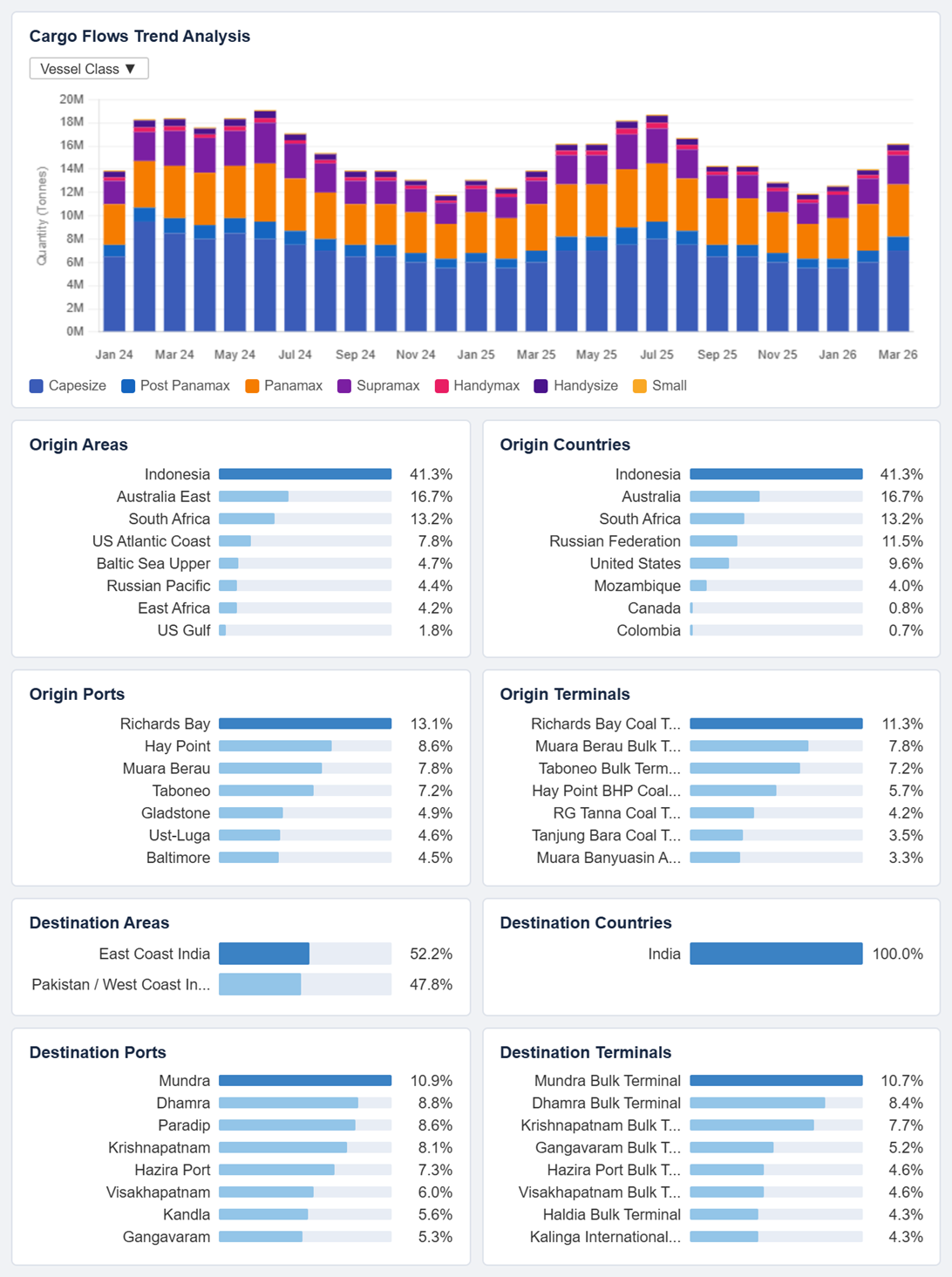
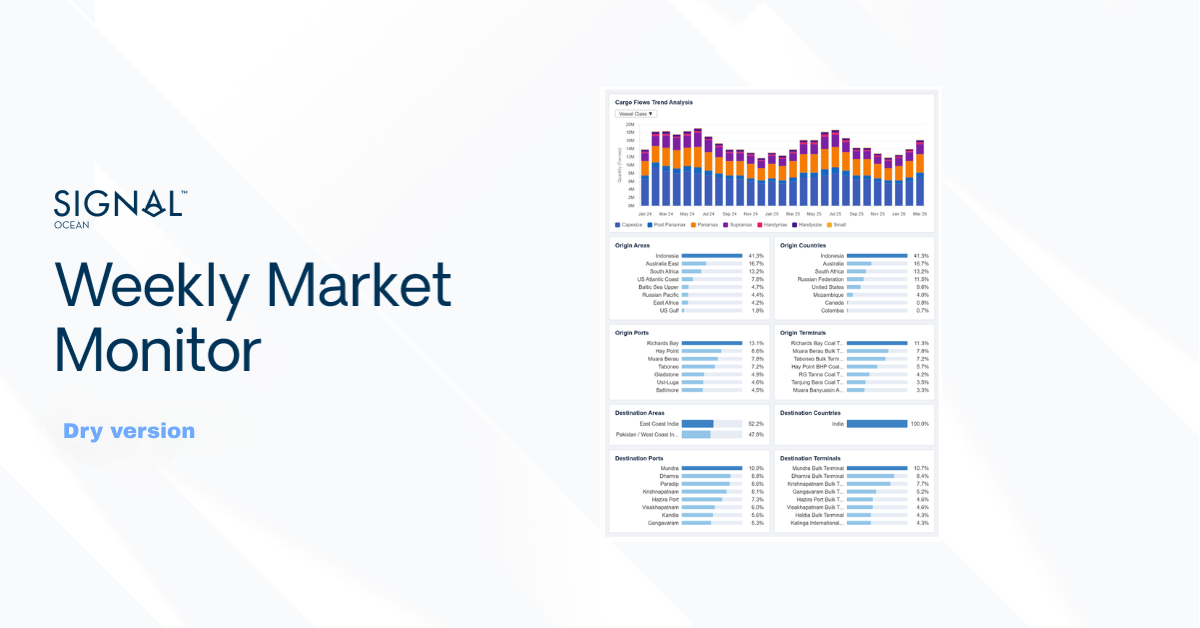
Source: Signal Ocean Platform | Dry Flows Data (last update: April 9, 2026)
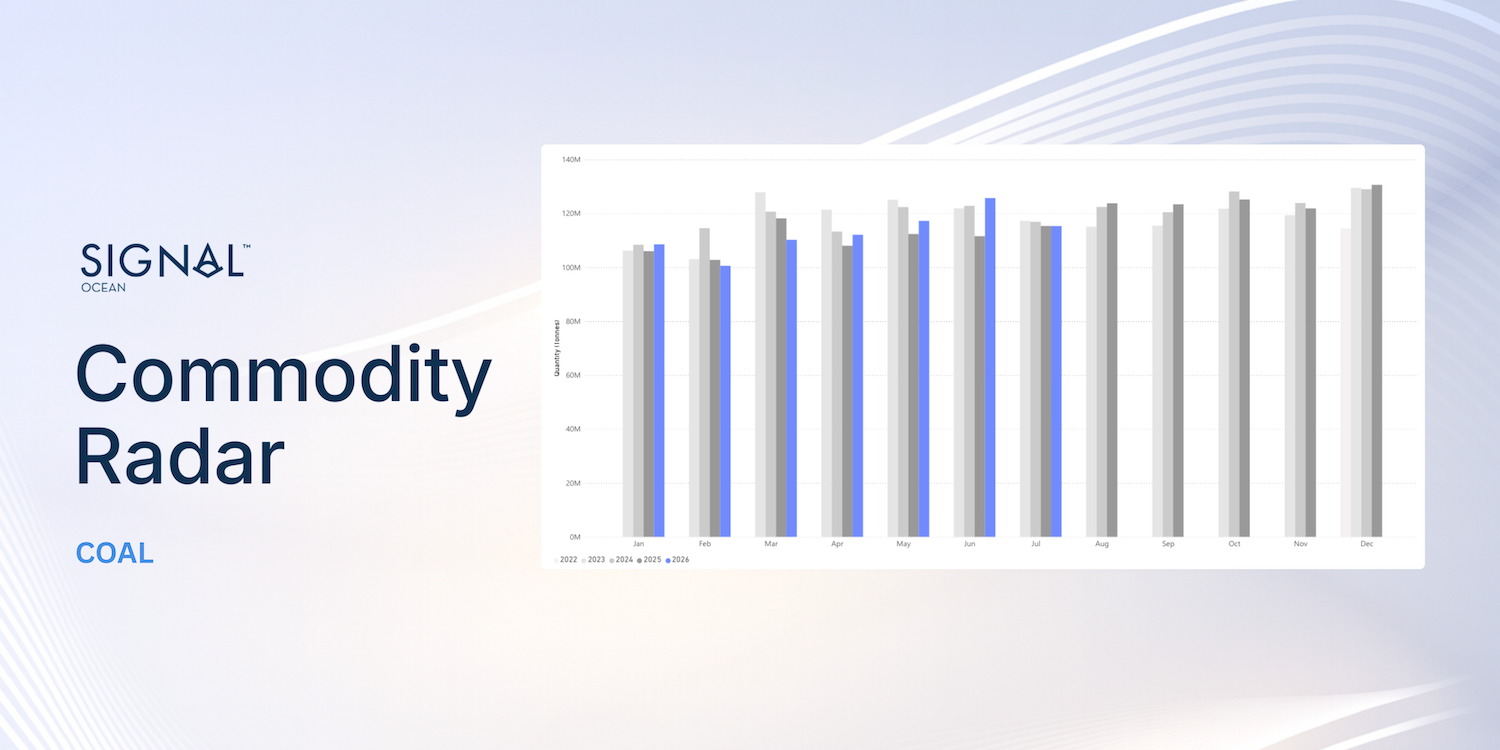
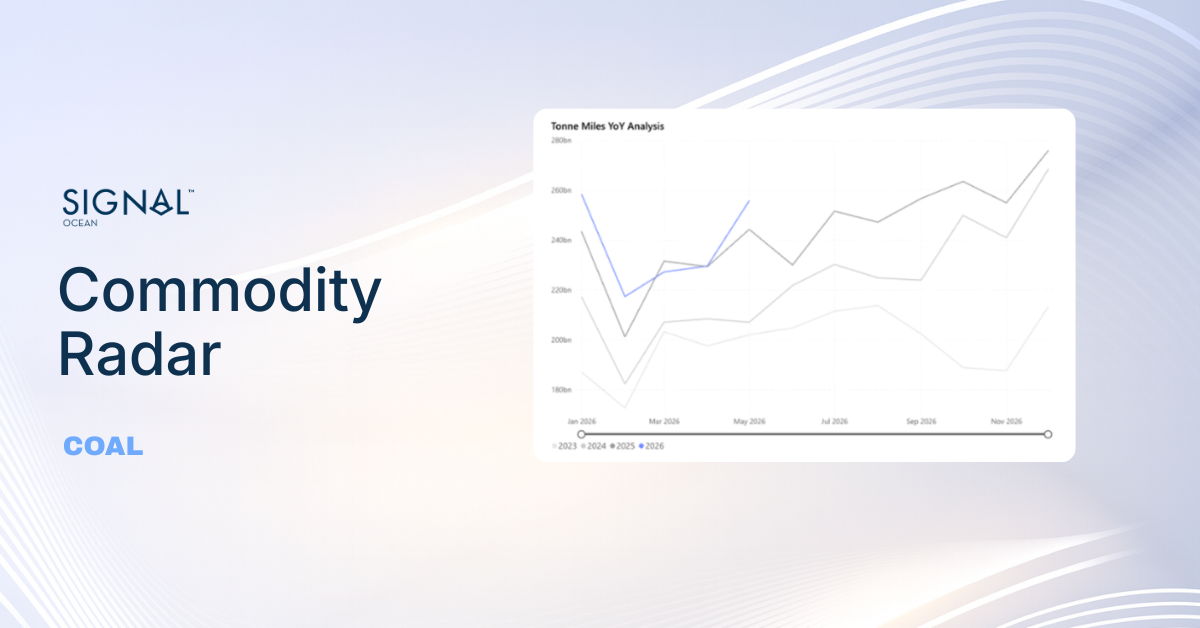
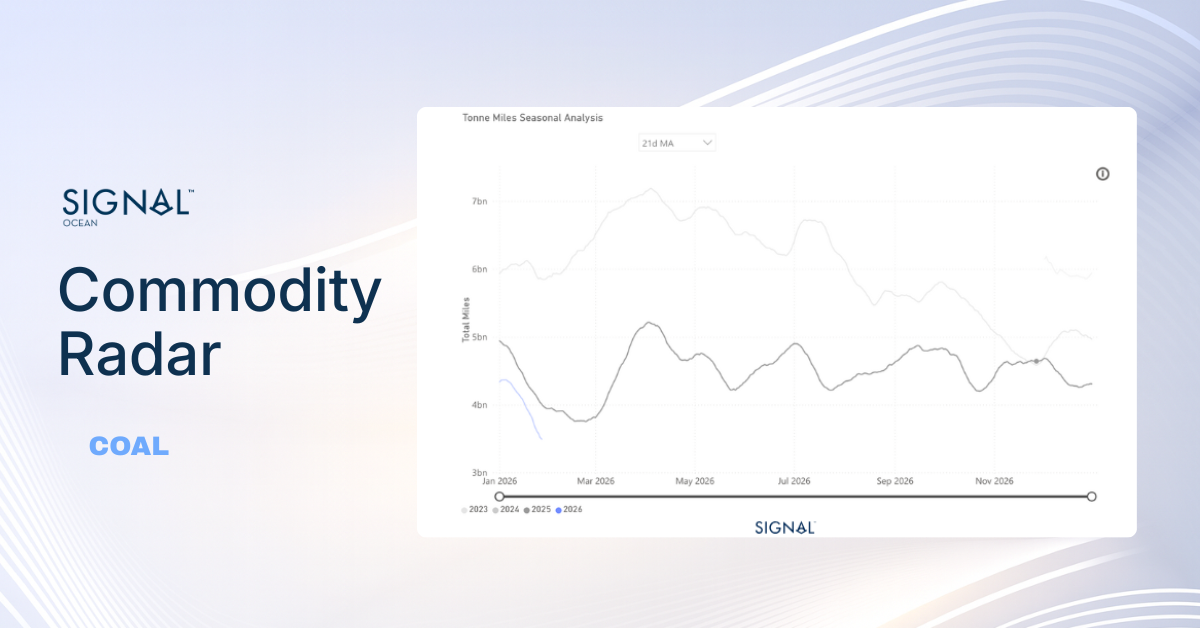
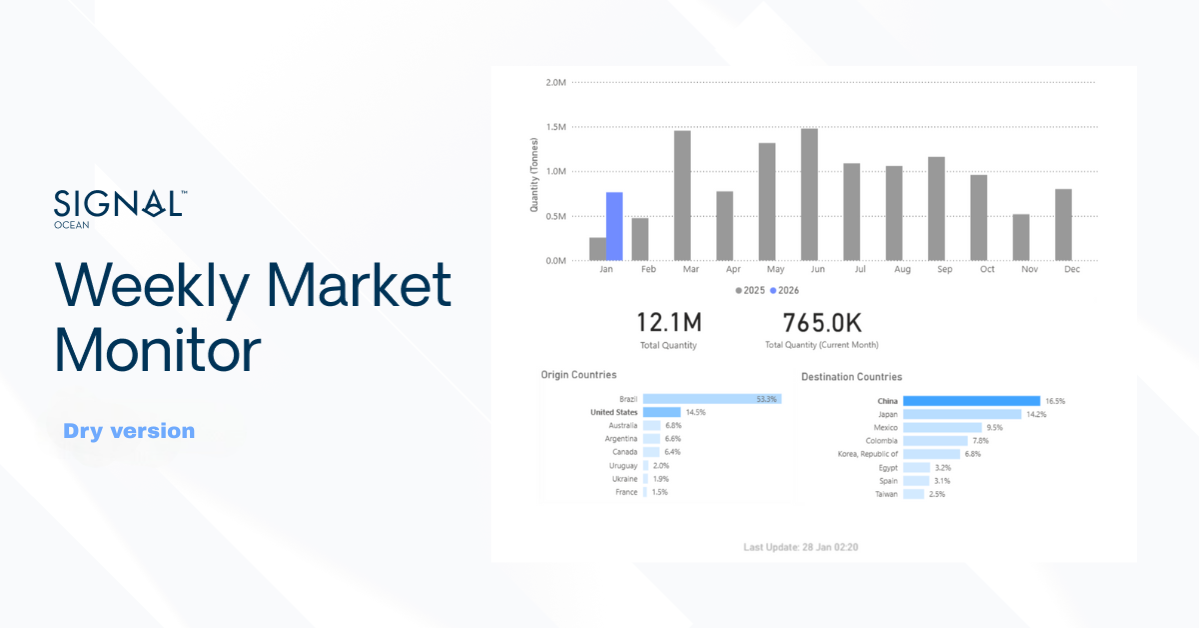
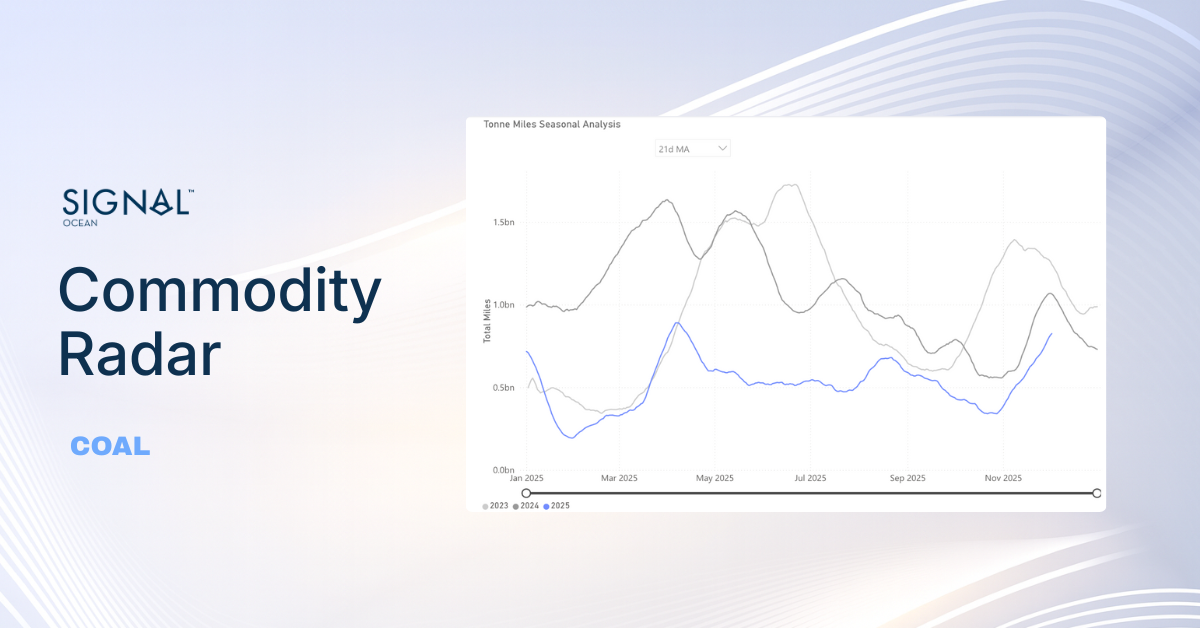
India’s coal market shows signs of a demand–import lag, with recent flow data indicating the early stages of a potential shift. After several months of relatively soft seaborne volumes, import flows appear to have strengthened into March 2026, suggesting that the period of subdued buying may be ending and that inventory buffers could begin to draw down.
The underlying demand pressure is increasingly evident. Seasonal heat is driving an early rise in electricity consumption, while disruptions in global gas markets linked to heightened geopolitical tensions in the Middle East have constrained the availability and affordability of imported LNG. As a result, coal-fired generation is taking on a larger share of the power mix.
This shift is reflected in forward demand indicators. Coal consumption at domestic coal-fired power plants is expected to rise by around 11.5% year-on-year to approximately 233 million tonnes in the April–June 2026 quarter, according to industry and government-linked projections. At the same time, strong summer conditions are expected to push peak power demand to around 270 GW, reinforcing the need for reliable baseload generation.
Despite this strengthening demand backdrop, the seaborne response has remained relatively muted so far. One key reason is the scale of the inventory buffer accumulated over the past year. India currently holds roughly 220 million tonnes of coal stocks across mines, power plants, and the supply chain, providing about 24 days of consumption cover, according to recent government statements. This represents a historically high level of inventory and has allowed buyers to defer imports even as demand begins to rise.
At the production level, domestic supply remains robust but has shown signs of adjustment. Coal India reported March 2026 production of approximately 84.5 million tonnes, down about 1.5% year-on-year, reflecting a moderation in output amid high stock levels. Elevated pithead inventories and strong domestic availability have also contributed to a policy push to reduce reliance on imports earlier in the year. Taken together, these dynamics help explain the lag between rising demand and the recovery in seaborne flows. While consumption is increasing, the existing stockpile continues to buffer the system, delaying the need for immediate large-scale restocking.
Looking ahead, with demand rising into the peak summer months, gas-based generation facing constraints, and temperatures expected to remain above normal, coal-fired plants will require a sustained fuel supply. Although current stock levels are high, they are being drawn against a significantly stronger demand environment than when they were accumulated. As inventories gradually normalize from elevated levels, India is likely to re-engage more actively in the seaborne market. Recent strengthening in import flows may represent an early indication of this transition, although a full restocking cycle is not yet evident in the data.
FREIGHT MARKET OVERVIEW
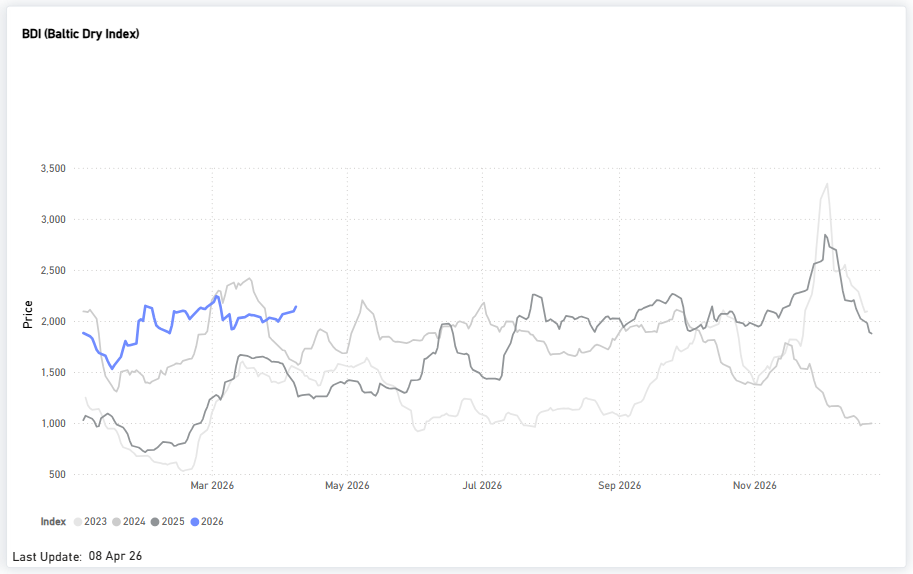
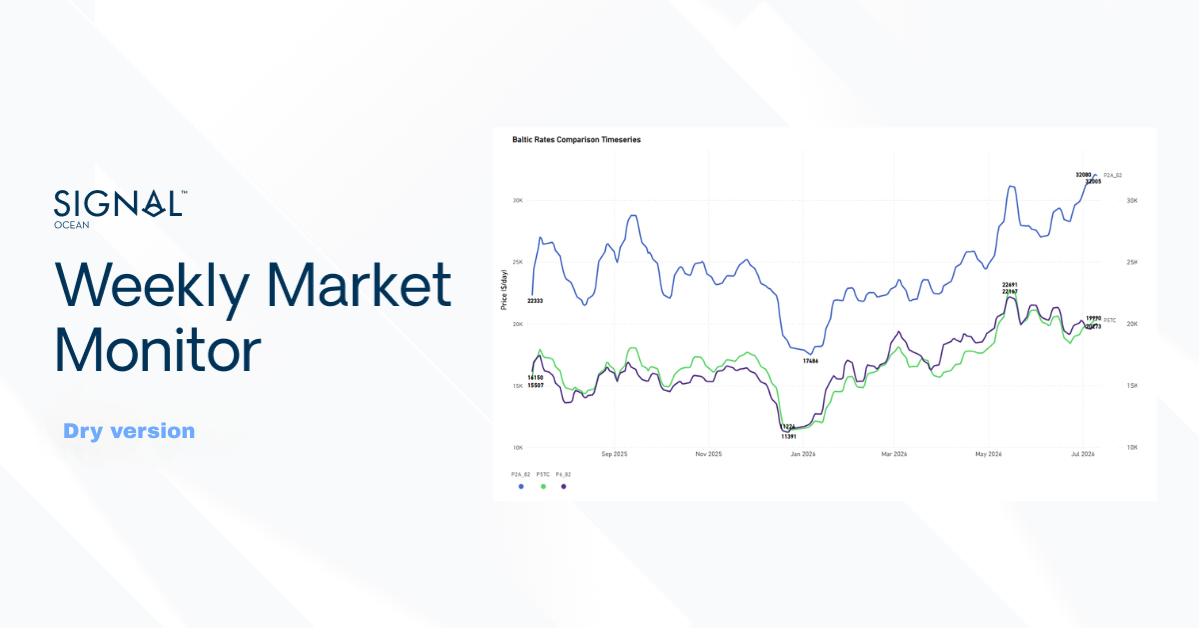
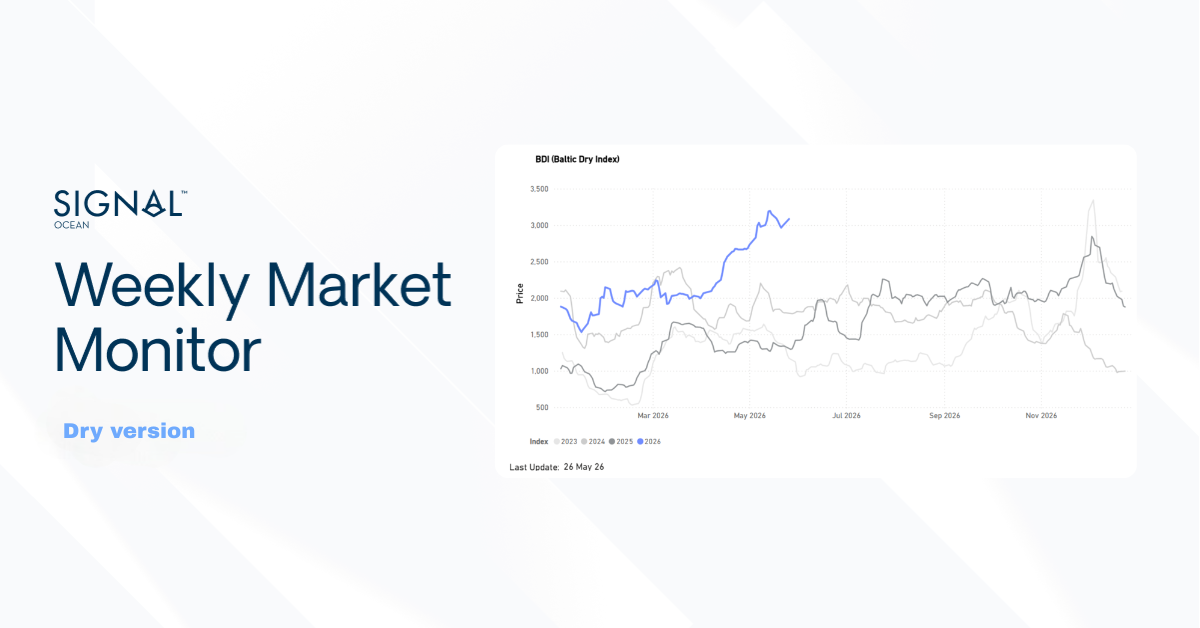
The Baltic Dry Index has moved back above 2,000, with Capesize and Panamax driving gains, particularly in the Atlantic basin.
FREIGHT ATLANTIC
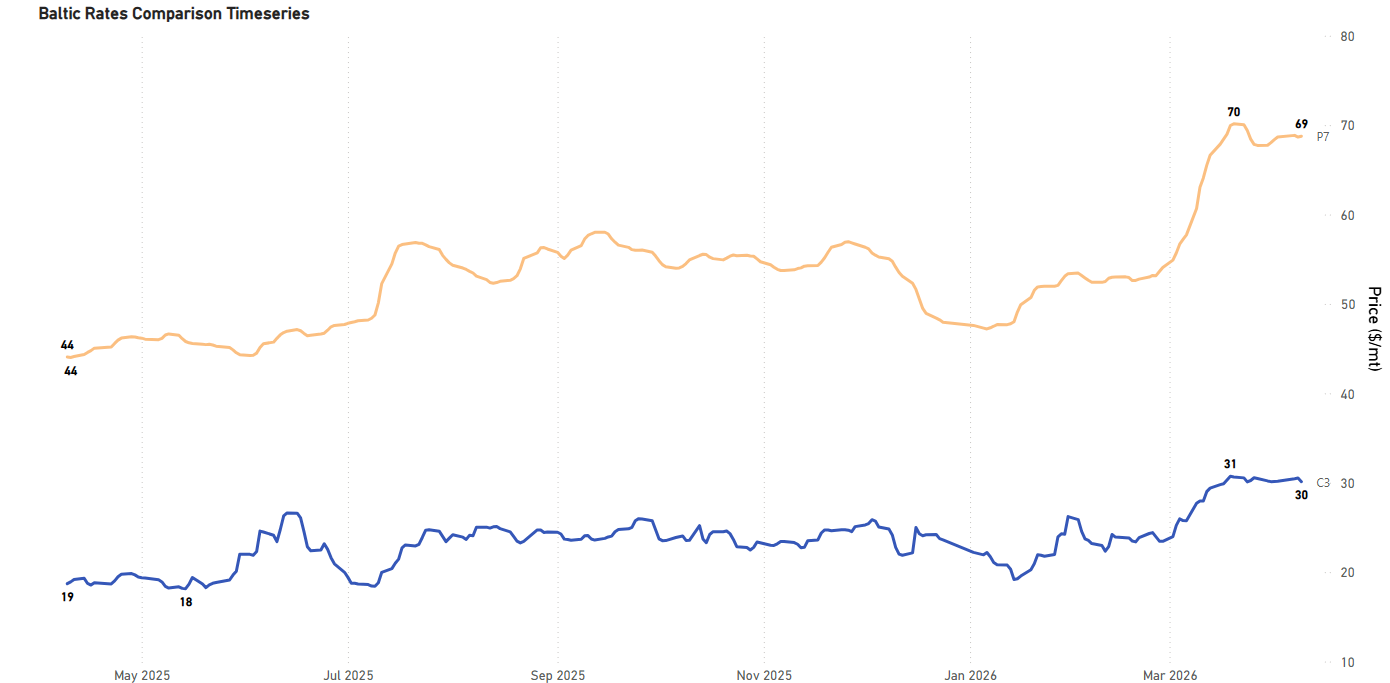
Capesize C3 / Panamax P7
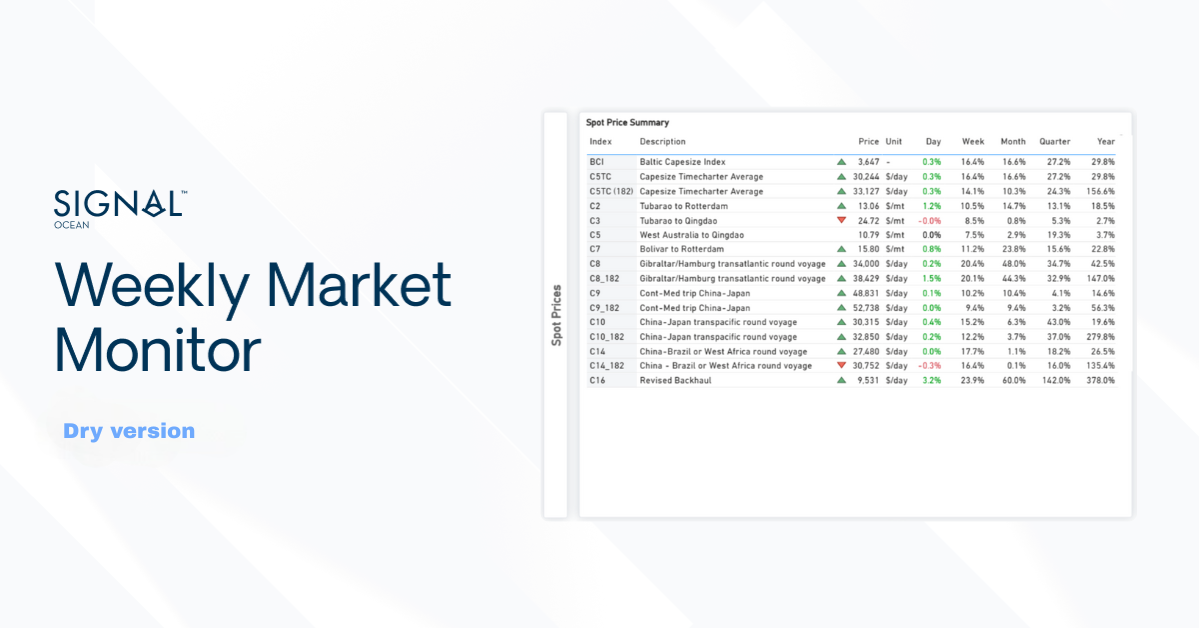
C3 | Tubarao to Qingdao | 30.11 $/MT | Day: -0.41 | Week: -0.05 | Bearish momentum: rates are slipping daily and flat on the week
P7 | US Gulf to Qingdao grain | 68.76 $/MT | Day: +0.09 | Week: +0.08 | Bullish momentum
Supramax S4A / Handysize HS4_38 Weaker
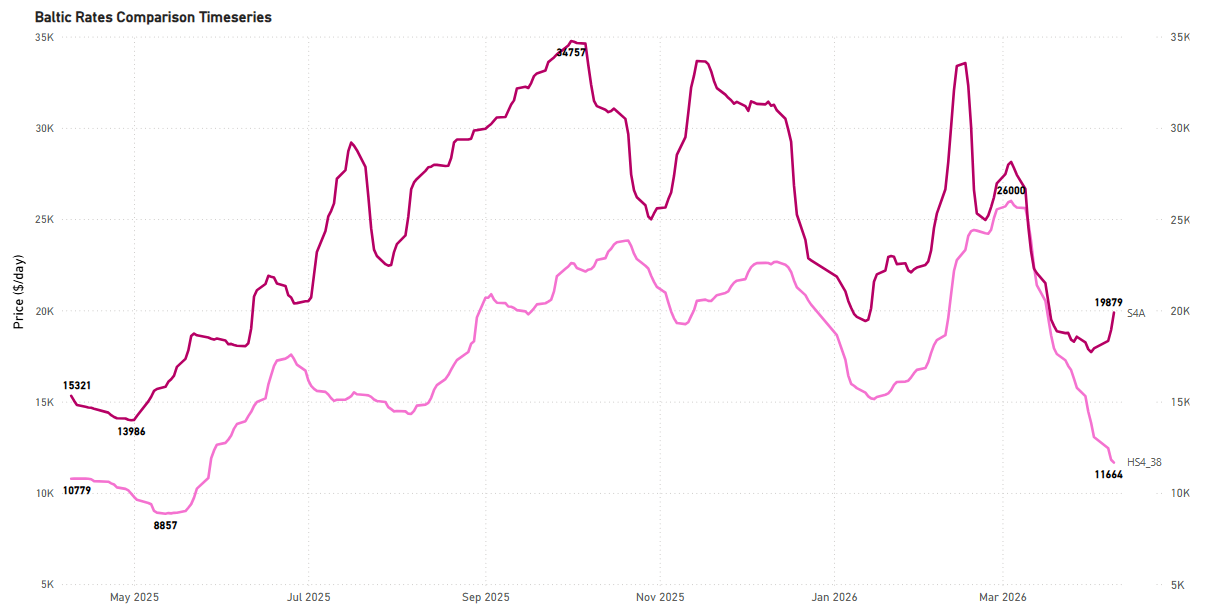
S4A | US Gulf trip to Skaw-Passero | 19,879 $/day | Day: +950 | Week: +1,962 | Strong daily and weekly gains suggest a short-term rebound, but the heavy monthly drop of -6,771 reveals S4A is still recovering from a significant pullback.
HS4_38 | US Gulf trip via US Gulf or North Coast South America | 11,664 $/day | Day: -157 | Week: -1,403 | Strongly bearish sentiment.
FREIGHT PACIFIC
Capesize | C5 Softer
C5 West Australia–Qingdao
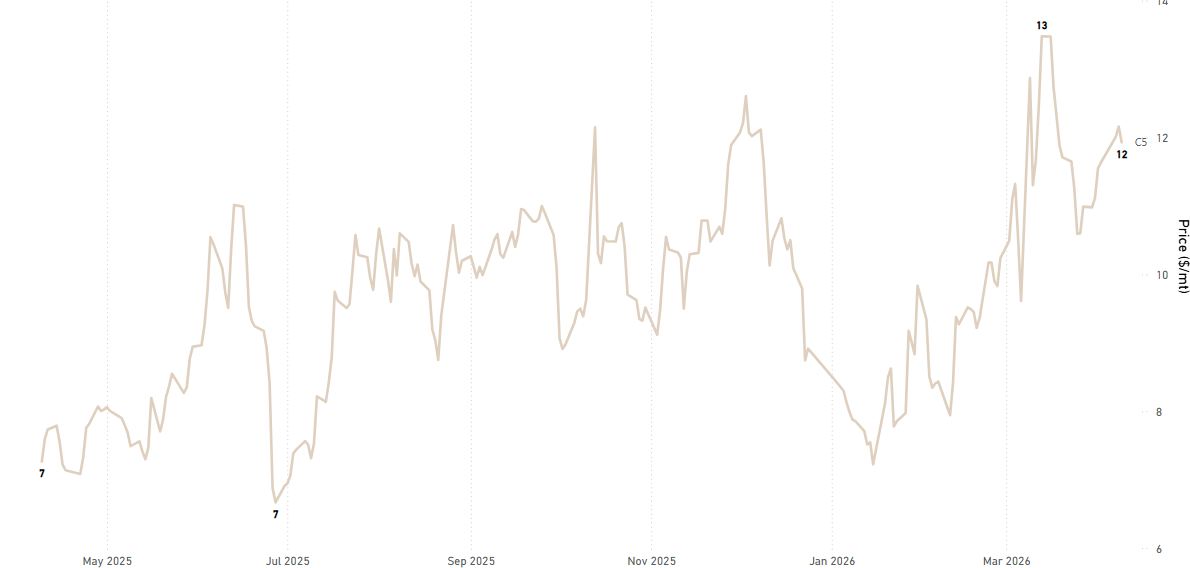
C5 | West Australia to Qingdao | 11.93 $/MT | Day: -0.23 | Week: +0.29 | Mixed picture, the daily dip is a minor blip against a positive week.
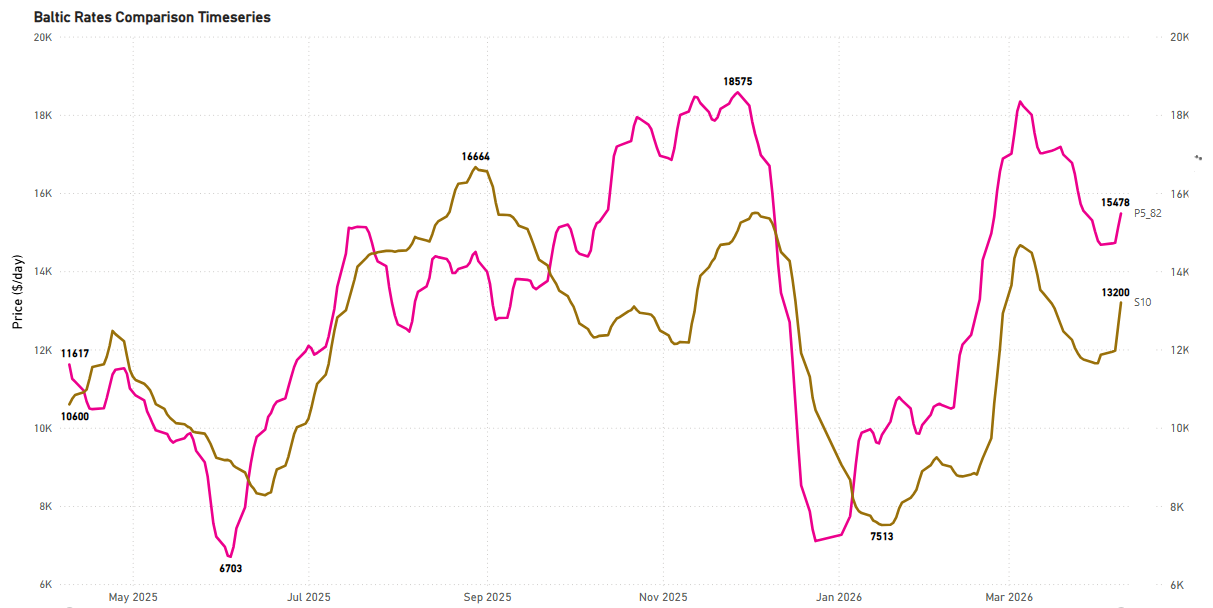
Panamax P5_82 / Supramax S10 Firmer
Bullish short-term momentum
P5_82 | South China, Indonesian round voyage | 15,478 $/day | Day: +359 | Week: +800
S10 | South China trip via Indonesia to South China | 13,200 $/day | Day: +612 | Week: +1,334
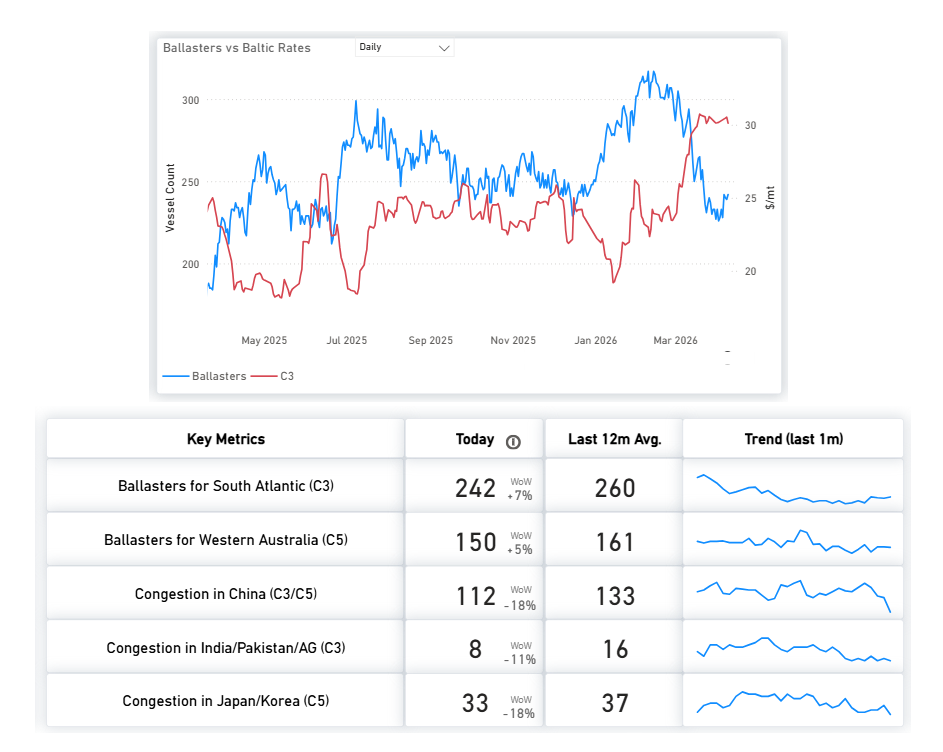
BALLASTERS OVERVIEW
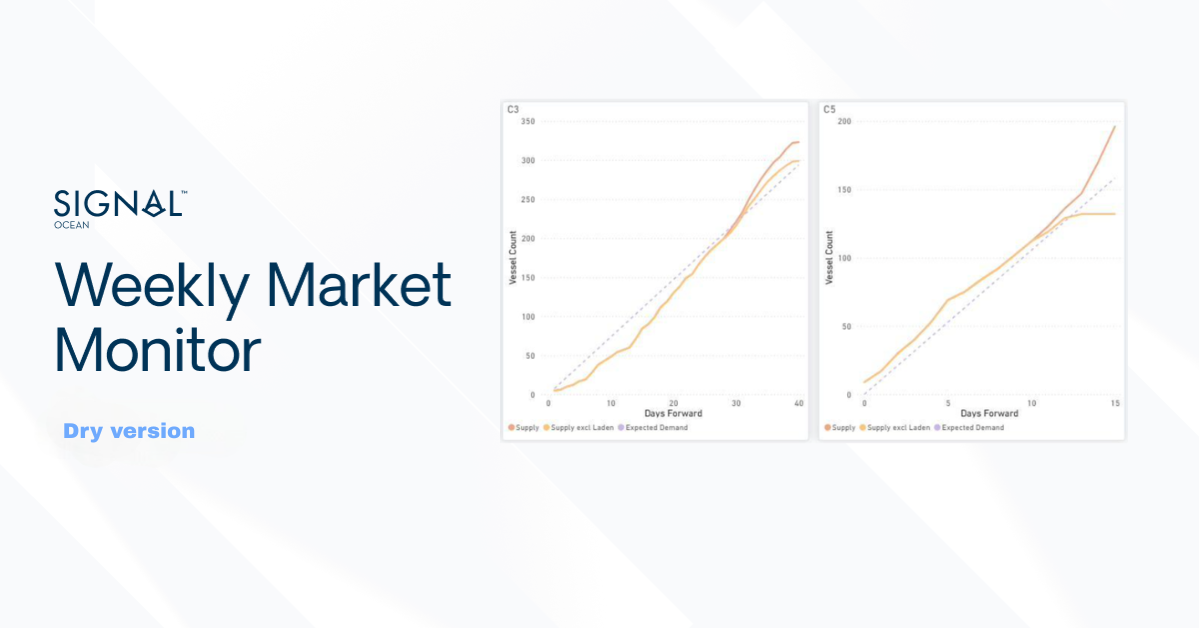
A bullish sentiment has emerged in rates this week, particularly when comparing the dry market's ballasters overview with the performance of the C3 index.
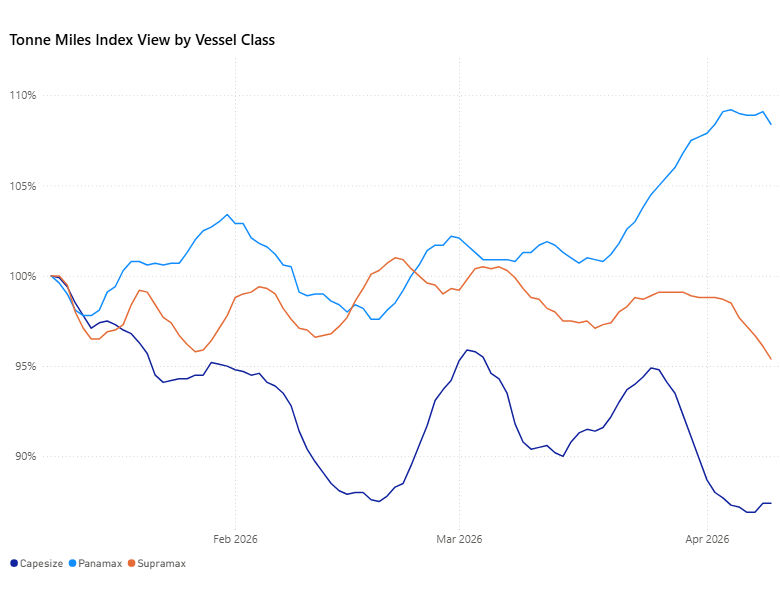
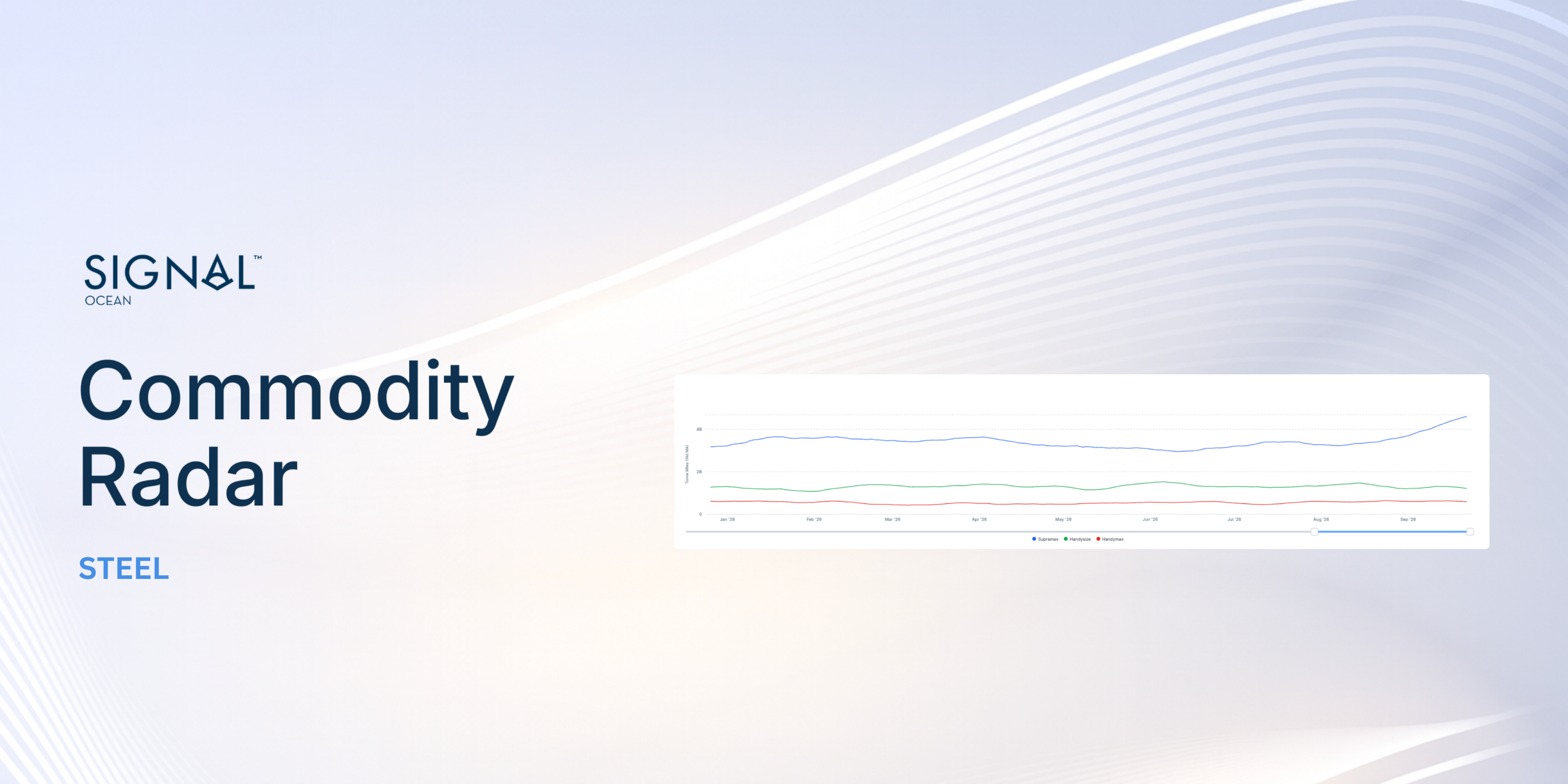
Panamax remains the strongest segment, holding above 100% for a second consecutive week. Supramax saw the sharpest weekly decline, while Capesize edged marginally lower. Overall utilization is softening heading into mid-April.
Metrics Description: Index View (Base 100) by total Tonne Miles over the selected period. This facilitates relative performance comparisons between segments of different sizes (e.g., comparing the growth rate of Supramax vs Capesize)
Maria holds a M.Sc. in Shipping, Trade and Finance from the Bayes Business School at the City University in London and a B.Sc. in Shipping Economics from the University of Piraeus.
Creating a sustainable world requires us to embark on a journey towards a zero emission future, where every step is a commitment to preserve our planet for future generations.
Albert Greenway
Environmental Scientist, Sustainability Expert
No items found.
Increased Use of Renewable Energy:
Shipping companies are embracing renewable energy sources to power onboard systems and reduce emissions during port operations. Solar panels and wind turbines are being installed on vessels to generate clean energy, reducing reliance on auxiliary engines, and cutting down emissions. Shore power facilities in ports allow ships to connect to the electrical grid, eliminating the need for onboard generators while docked.
Collaboration and Industry Partnerships:
Recognizing that addressing emissions requires collective action, shipping companies, governments, and organizations have formed partnerships and collaborations. These initiatives focus on research and development, sharing best practices, and promoting knowledge transfer. Joint projects aim to develop and deploy innovative technologies, improve infrastructure, and create a supportive regulatory framework to accelerate the industry's transition towards a greener future. The Zero Emission Shipping - Mission Innovation.
To pave the way for a greener future in shipping, the availability of alternative fuels plays a vital role in their widespread adoption. However, this availability is influenced by factors such as port infrastructure, local regulations, and government policies. As the demand for cleaner fuels in shipping rises and environmental regulations become more stringent, efforts are underway to improve the accessibility of these fuels through infrastructure development, collaborations, and investments in production facilities.
Liquefied Natural Gas (LNG) infrastructure has seen significant growth in recent years, resulting in more LNG bunkering facilities and LNG-powered vessels. Nonetheless, the availability of LNG as a marine fuel can still vary depending on the region. To ensure consistent availability worldwide, there is a need for further development of LNG supply chains and infrastructure. For biofuels, their availability hinges on production capacity and the availability of feedstock. Although biofuels are being produced and utilized in various sectors, their availability as a marine fuel remains limited. Scaling up biofuel production and establishing robust supply chains are imperative to ensure wider availability within the shipping industry.Hydrogen, as a fuel for maritime applications, is still in the early stages of infrastructure development. While some hydrogen vessels have been tested or introduced in the first quarter of last year, the infrastructure required for hydrogen production and distribution needs further advancement.
Ammonia, as a marine fuel, currently faces limitations in availability. The production, storage, and handling infrastructure for ammonia need further development to support its widespread use in the shipping industry.Methanol, on the other hand, is already a commercially available fuel and has been used as a blend with conventional fuels in some ships. However, its availability as a standalone marine fuel can still be limited in certain regions. Bureau Veritas in October 2022 published a White Paper for the Alternative Fuels Outlook. This white paper provides a comprehensive overview of alternative fuels for the shipping industry, taking into account key factors such as technological maturity, availability, safety, emissions, and regulations.
Creating a sustainable world requires us to embark on a journey towards a zero emission future, where every step is a commitment to preserve our planet for future generations.
Albert Greenway
Environmental Scientist, Sustainability Expert
Increased Use of Renewable Energy:
Shipping companies are embracing renewable energy sources to power onboard systems and reduce emissions during port operations. Solar panels and wind turbines are being installed on vessels to generate clean energy, reducing reliance on auxiliary engines, and cutting down emissions. Shore power facilities in ports allow ships to connect to the electrical grid, eliminating the need for onboard generators while docked.
Collaboration and Industry Partnerships:
Recognizing that addressing emissions requires collective action, shipping companies, governments, and organizations have formed partnerships and collaborations. These initiatives focus on research and development, sharing best practices, and promoting knowledge transfer. Joint projects aim to develop and deploy innovative technologies, improve infrastructure, and create a supportive regulatory framework to accelerate the industry's transition towards a greener future. The Zero Emission Shipping - Mission Innovation.
To pave the way for a greener future in shipping, the availability of alternative fuels plays a vital role in their widespread adoption. However, this availability is influenced by factors such as port infrastructure, local regulations, and government policies. As the demand for cleaner fuels in shipping rises and environmental regulations become more stringent, efforts are underway to improve the accessibility of these fuels through infrastructure development, collaborations, and investments in production facilities.
Liquefied Natural Gas (LNG) infrastructure has seen significant growth in recent years, resulting in more LNG bunkering facilities and LNG-powered vessels. Nonetheless, the availability of LNG as a marine fuel can still vary depending on the region. To ensure consistent availability worldwide, there is a need for further development of LNG supply chains and infrastructure. For biofuels, their availability hinges on production capacity and the availability of feedstock. Although biofuels are being produced and utilized in various sectors, their availability as a marine fuel remains limited. Scaling up biofuel production and establishing robust supply chains are imperative to ensure wider availability within the shipping industry.Hydrogen, as a fuel for maritime applications, is still in the early stages of infrastructure development. While some hydrogen vessels have been tested or introduced in the first quarter of last year, the infrastructure required for hydrogen production and distribution needs further advancement.
Ammonia, as a marine fuel, currently faces limitations in availability. The production, storage, and handling infrastructure for ammonia need further development to support its widespread use in the shipping industry.Methanol, on the other hand, is already a commercially available fuel and has been used as a blend with conventional fuels in some ships. However, its availability as a standalone marine fuel can still be limited in certain regions. Bureau Veritas in October 2022 published a White Paper for the Alternative Fuels Outlook. This white paper provides a comprehensive overview of alternative fuels for the shipping industry, taking into account key factors such as technological maturity, availability, safety, emissions, and regulations.

.webp)





.png)
.png)










.png)






.png)
.png)


.png)
.png)
.png)
