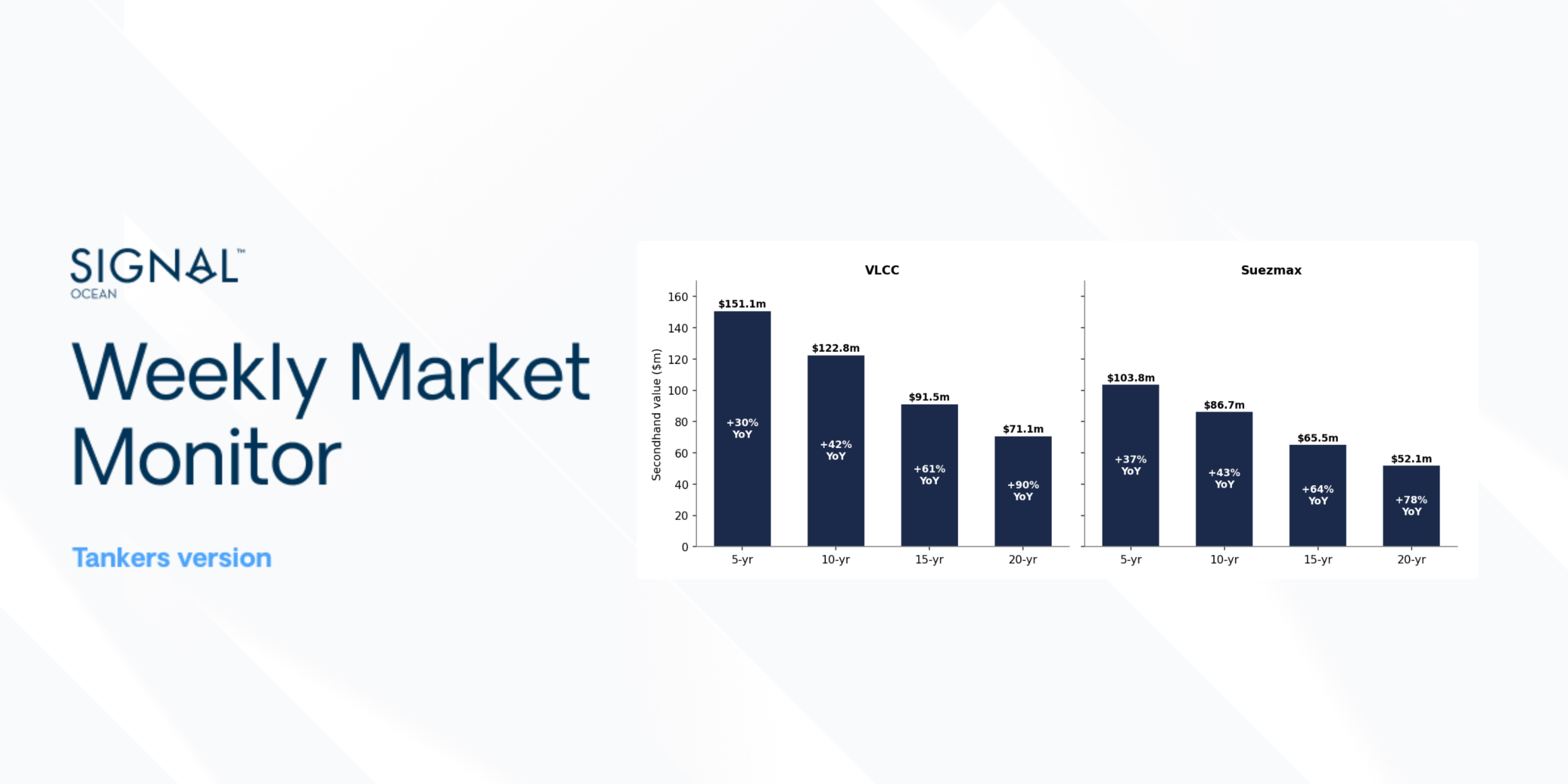
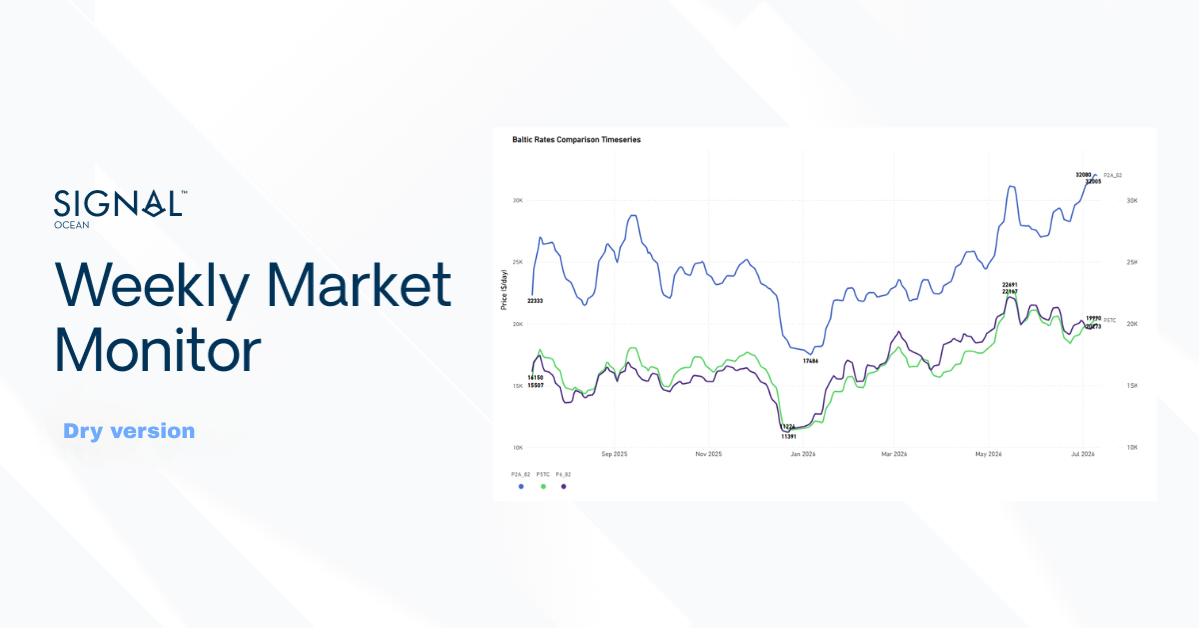
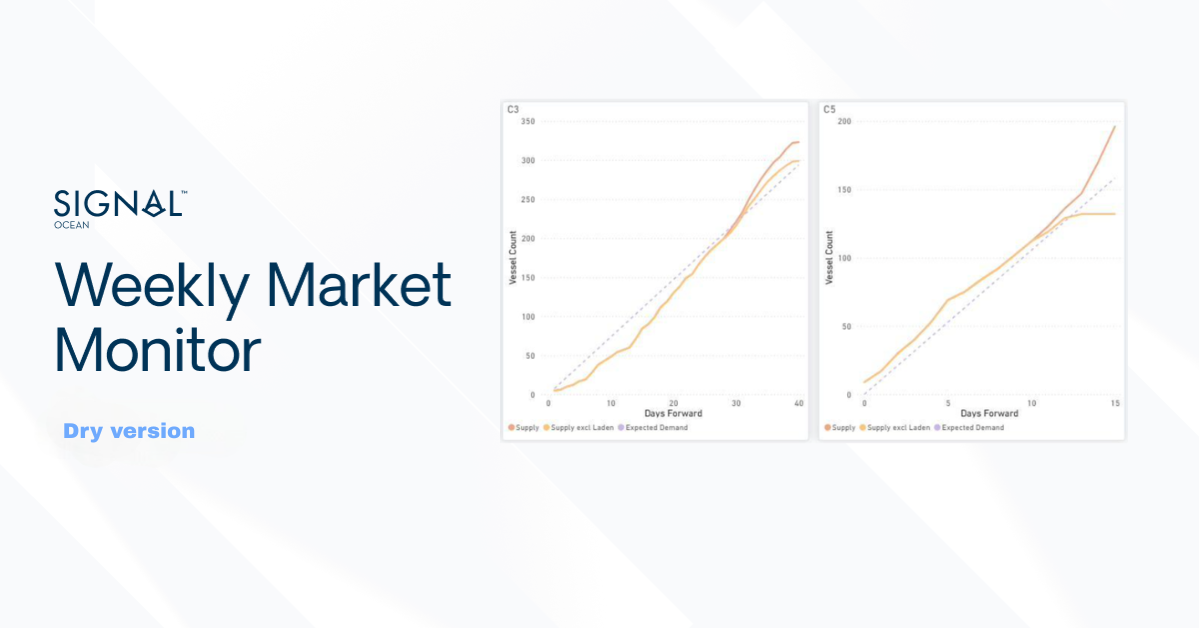
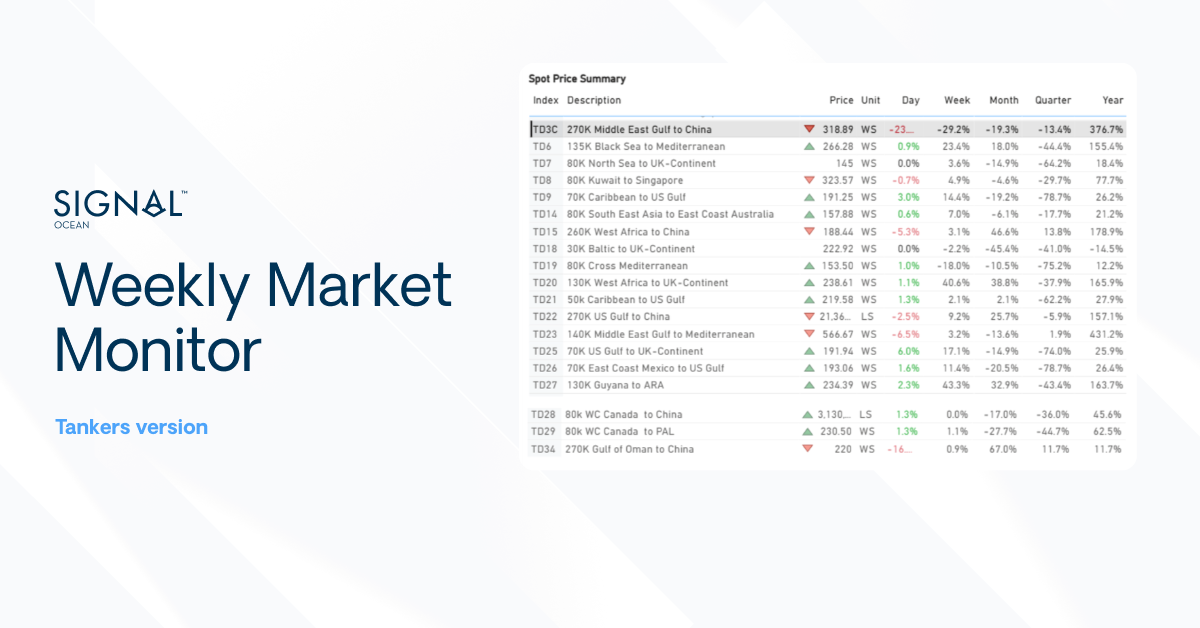
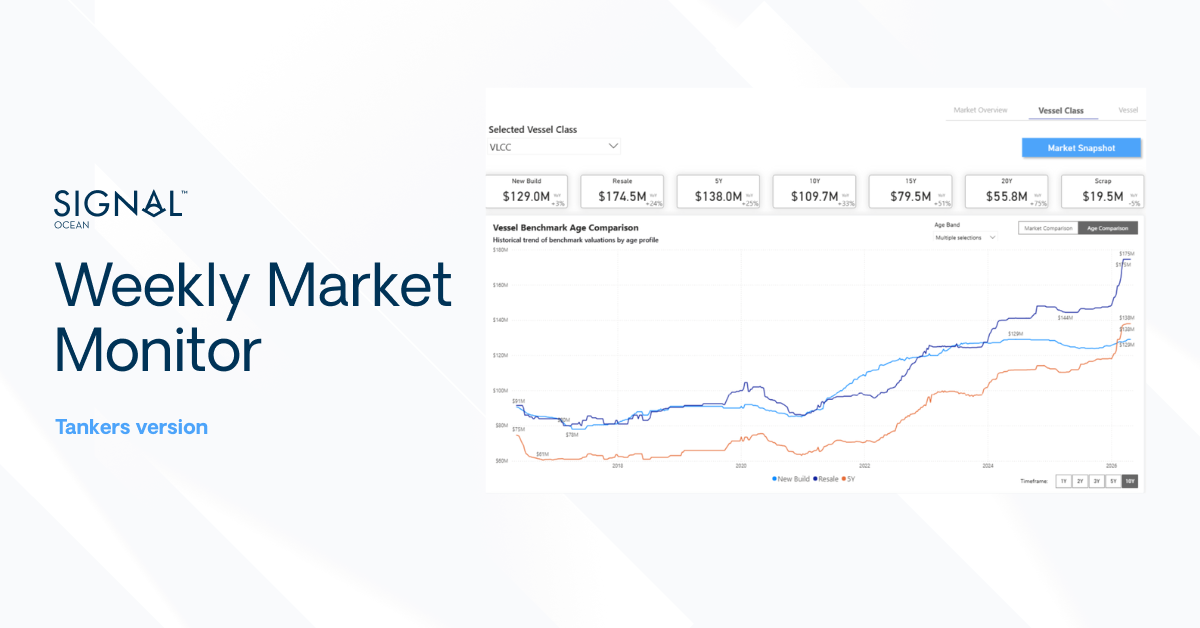
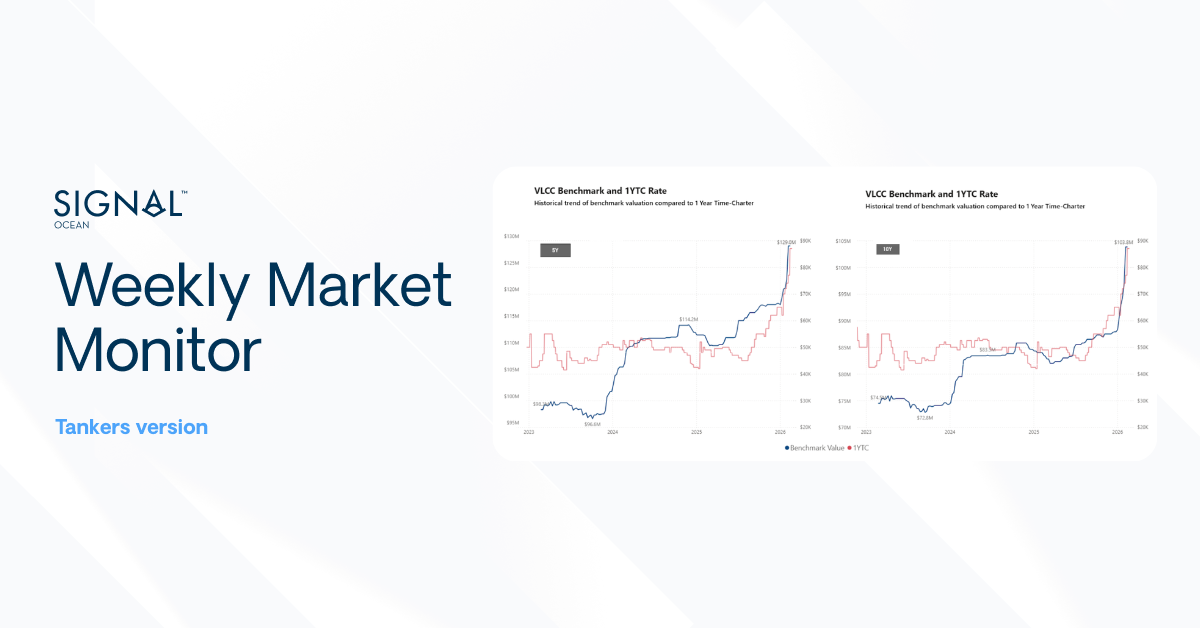
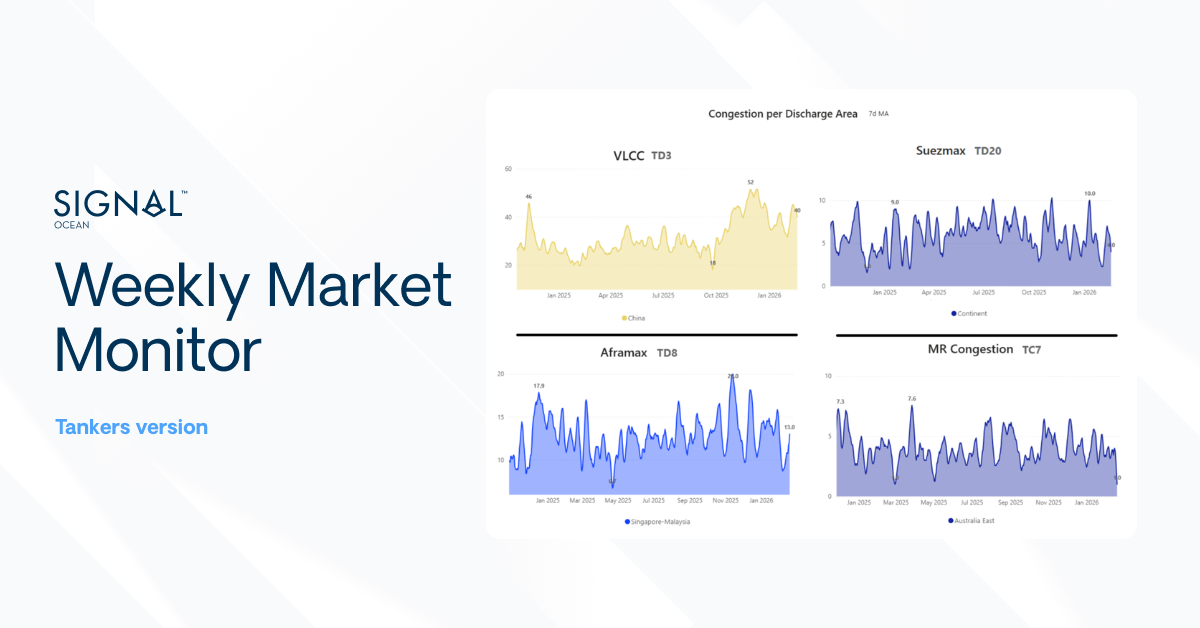
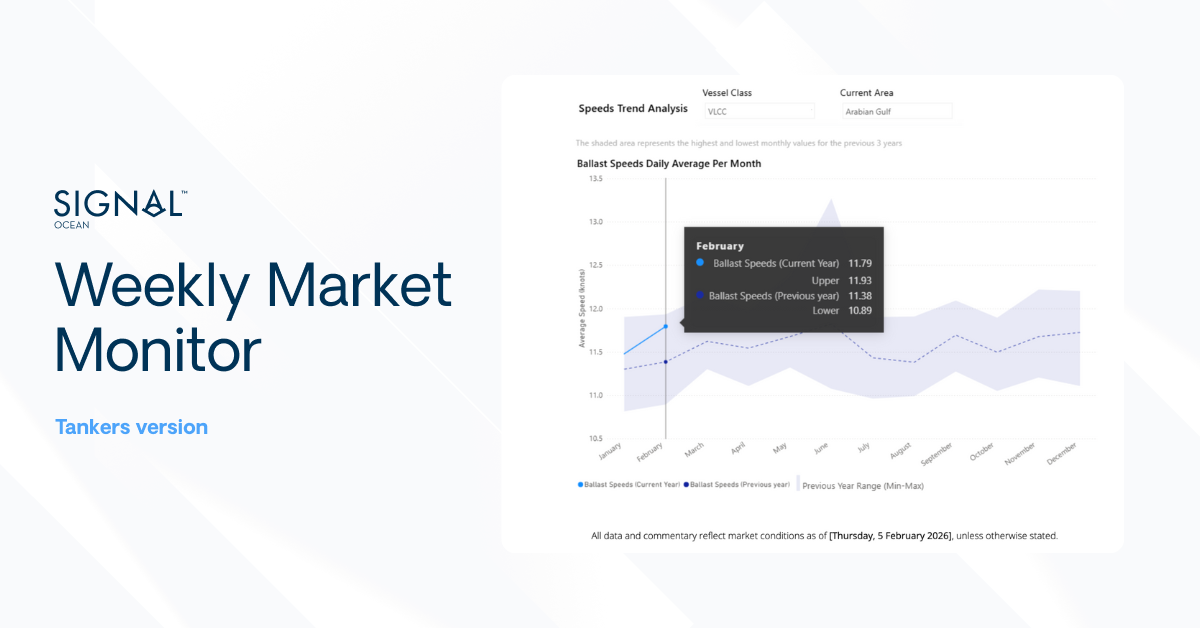
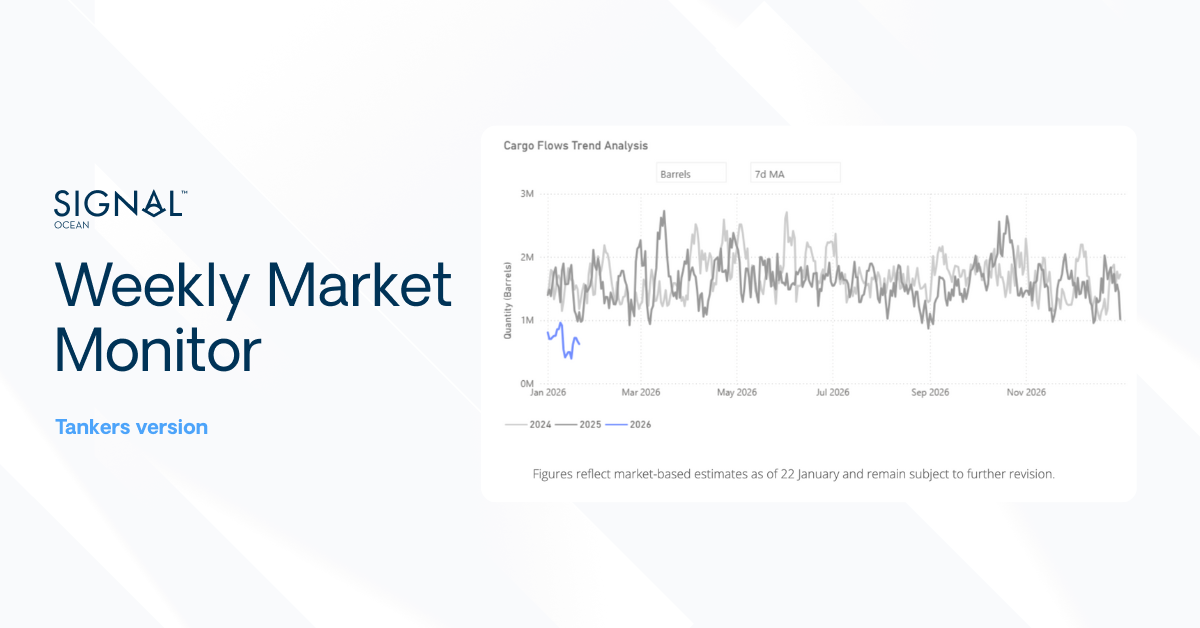
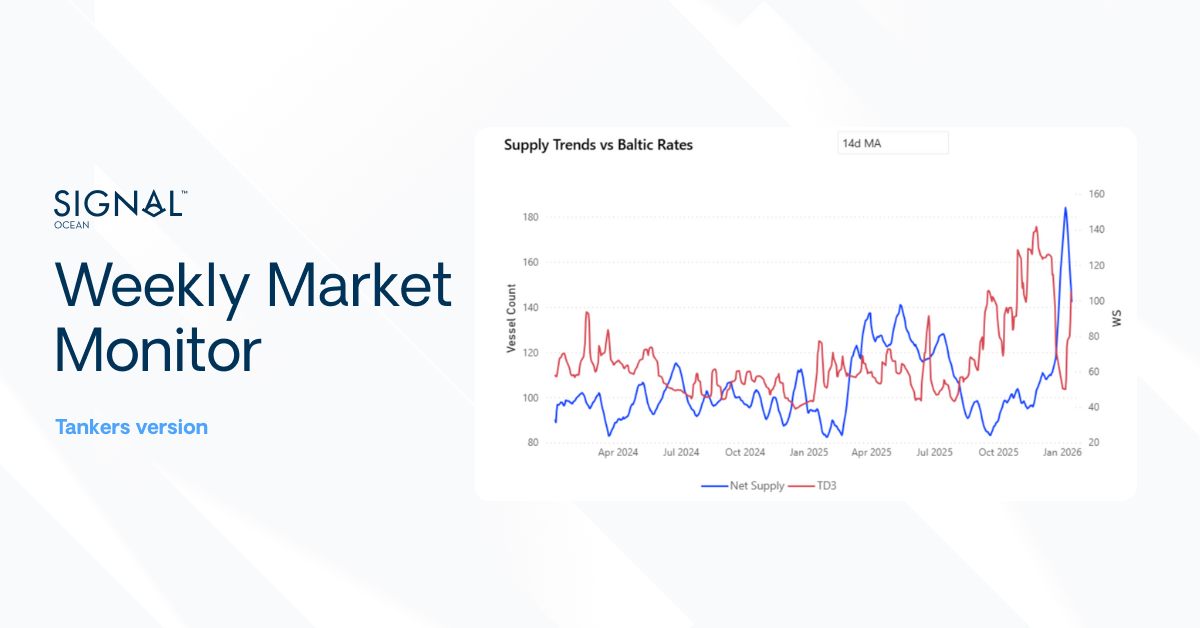
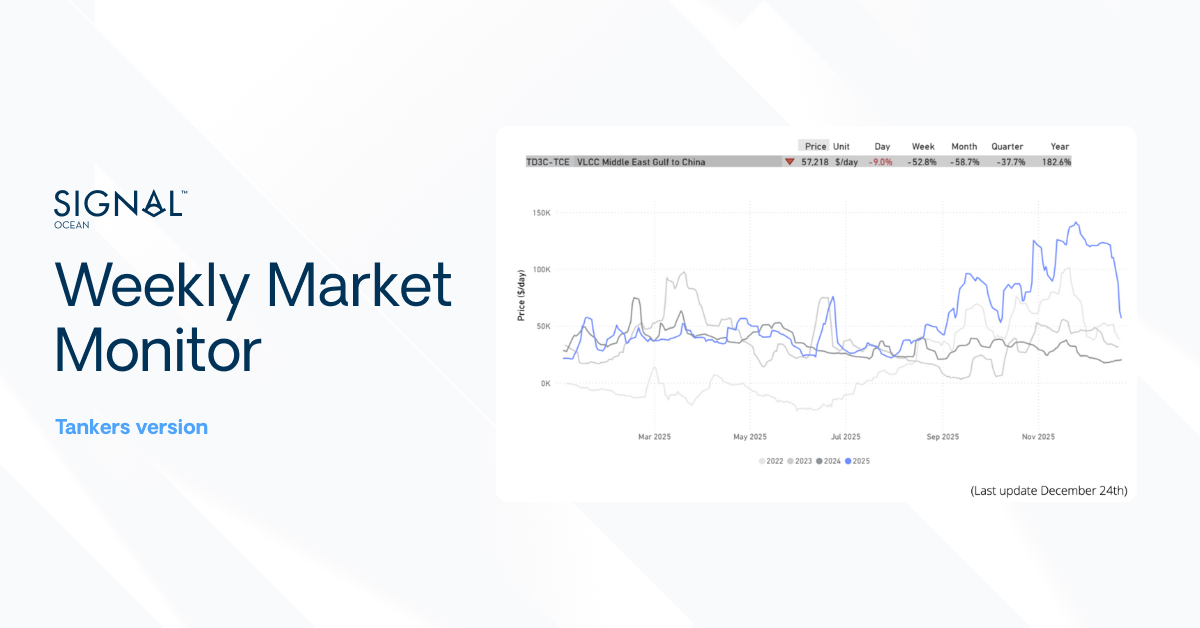
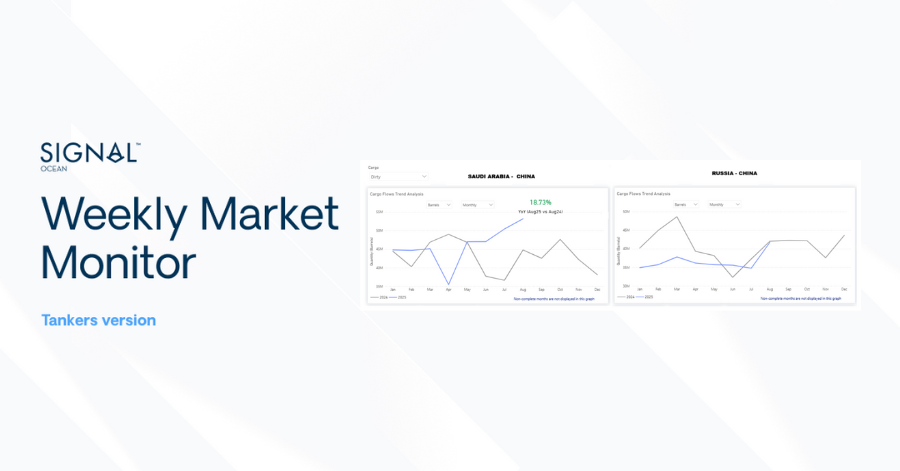
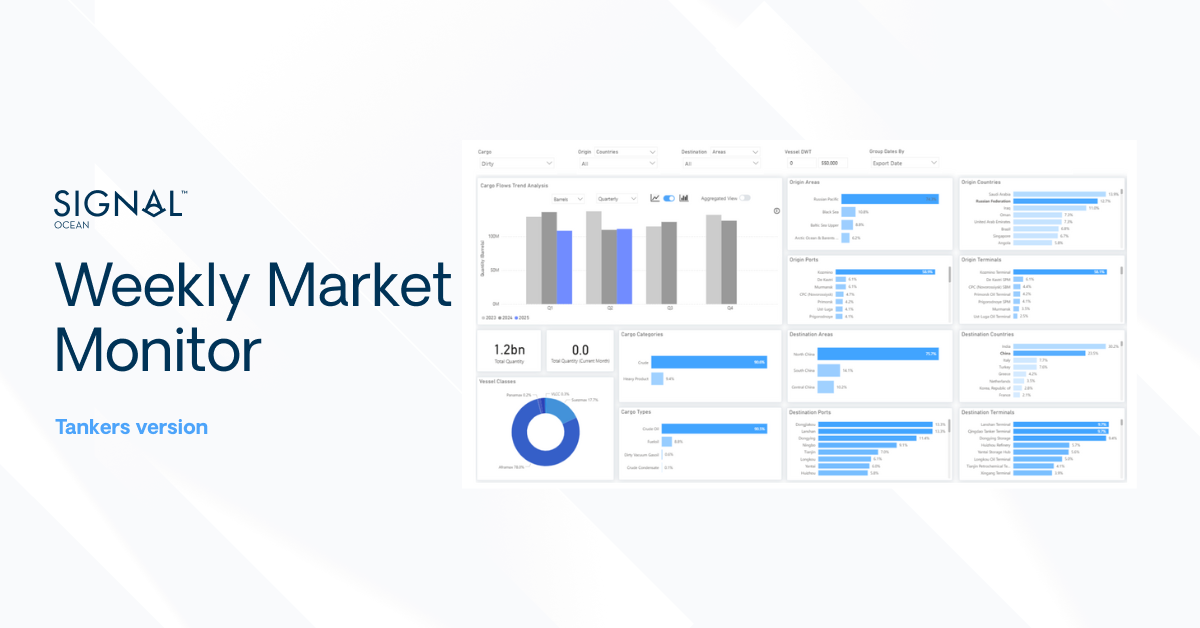
In the second week of April, the crude oil freight market maintained a relatively stable sentiment in the VLCC Ras Tanura segment, while indications of an upward trend emerged in the Aframax Mediterranean, accompanied by a decrease in vessel supply. April appears poised to challenge the sentiment in the VLCC freight market, as there are signals of increased vessel activity for Ras Tanura, despite the tonne-day demand growth slowing down, with the last peak observed almost seven weeks ago.
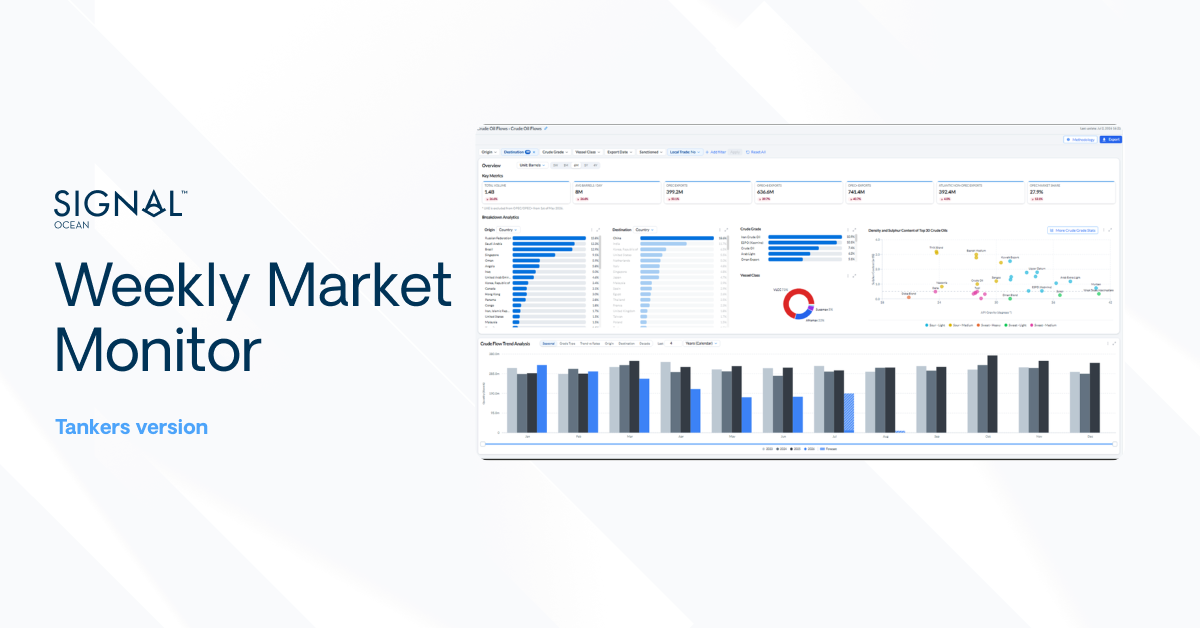
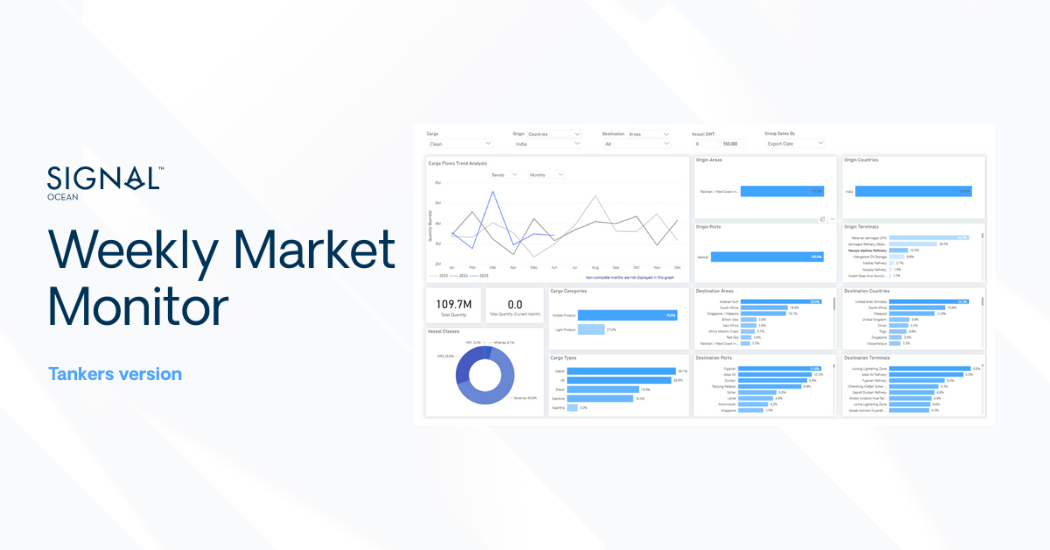
In the clean segment, it's noteworthy to observe the growth of Russian clean oil exports to Brazil and Turkey, which have emerged as the primary destinations since last year. Meanwhile, US crude oil prices have intriguingly displayed signs of pulling back to $85/bbl, with market concerns about inflation pushing back expectations for Fed rate cuts to later in the year. At present, worries about inflation seem to have overshadowed concerns about a potential Iranian strike on Israel.
FAQ Section
Frequently Asked Questions
What is driving current tanker market sentiment?
Market sentiment is being shaped by a mix of vessel supply dynamics, regional demand shifts, and macroeconomic factors such as oil prices and inflation expectations. Activity levels in key routes like Ras Tanura and the Mediterranean are influencing short term freight direction.
What trends are visible in the VLCC market?
The VLCC Ras Tanura segment has remained relatively stable, though there are early signals of increased vessel activity. At the same time, tonne day demand growth has slowed, which could limit upward momentum in freight rates.
Why is the Aframax Mediterranean market strengthening?
The Aframax Mediterranean segment is showing upward movement due to a tightening of vessel supply. Reduced availability of ships in the region is supporting firmer freight levels.
What is happening in the clean tanker segment?
Russian clean oil exports have increasingly shifted towards Brazil and Turkey since 2023. These countries have become key importers, reflecting changes in global trade flows following sanctions and geopolitical realignments.
Why are Brazil and Turkey important for Russian clean exports?
Both countries have positioned themselves as major buyers of Russian refined products, helping to absorb volumes redirected away from traditional European markets.
How are oil prices influencing tanker markets?
Oil prices affect trading activity, arbitrage opportunities, and overall demand for shipping. Recent signs of US crude prices softening around $85 per barrel are tied to inflation concerns and shifting expectations around interest rate cuts.
How do macroeconomic factors impact freight markets?
Inflation, interest rates, and global economic outlook influence oil demand and trading behaviour. When inflation concerns rise, they can dampen expectations for demand growth and affect freight market sentiment.
Are geopolitical tensions still affecting the market?
Geopolitical risks remain present but are not always the dominant driver. In this case, inflation concerns have temporarily outweighed fears of escalation in the Middle East.
How can traders monitor these market changes?
Market participants track vessel movements, freight rates, and cargo flows using platforms such as Signal Ocean, alongside broader macro and geopolitical indicators.
Maria holds a M.Sc. in Shipping, Trade and Finance from the Bayes Business School at the City University in London and a B.Sc. in Shipping Economics from the University of Piraeus.
Creating a sustainable world requires us to embark on a journey towards a zero emission future, where every step is a commitment to preserve our planet for future generations.
Albert Greenway
Environmental Scientist, Sustainability Expert
No items found.
Increased Use of Renewable Energy:
Shipping companies are embracing renewable energy sources to power onboard systems and reduce emissions during port operations. Solar panels and wind turbines are being installed on vessels to generate clean energy, reducing reliance on auxiliary engines, and cutting down emissions. Shore power facilities in ports allow ships to connect to the electrical grid, eliminating the need for onboard generators while docked.
Collaboration and Industry Partnerships:
Recognizing that addressing emissions requires collective action, shipping companies, governments, and organizations have formed partnerships and collaborations. These initiatives focus on research and development, sharing best practices, and promoting knowledge transfer. Joint projects aim to develop and deploy innovative technologies, improve infrastructure, and create a supportive regulatory framework to accelerate the industry's transition towards a greener future. The Zero Emission Shipping - Mission Innovation.
To pave the way for a greener future in shipping, the availability of alternative fuels plays a vital role in their widespread adoption. However, this availability is influenced by factors such as port infrastructure, local regulations, and government policies. As the demand for cleaner fuels in shipping rises and environmental regulations become more stringent, efforts are underway to improve the accessibility of these fuels through infrastructure development, collaborations, and investments in production facilities.
Liquefied Natural Gas (LNG) infrastructure has seen significant growth in recent years, resulting in more LNG bunkering facilities and LNG-powered vessels. Nonetheless, the availability of LNG as a marine fuel can still vary depending on the region. To ensure consistent availability worldwide, there is a need for further development of LNG supply chains and infrastructure. For biofuels, their availability hinges on production capacity and the availability of feedstock. Although biofuels are being produced and utilized in various sectors, their availability as a marine fuel remains limited. Scaling up biofuel production and establishing robust supply chains are imperative to ensure wider availability within the shipping industry.Hydrogen, as a fuel for maritime applications, is still in the early stages of infrastructure development. While some hydrogen vessels have been tested or introduced in the first quarter of last year, the infrastructure required for hydrogen production and distribution needs further advancement.
Ammonia, as a marine fuel, currently faces limitations in availability. The production, storage, and handling infrastructure for ammonia need further development to support its widespread use in the shipping industry.Methanol, on the other hand, is already a commercially available fuel and has been used as a blend with conventional fuels in some ships. However, its availability as a standalone marine fuel can still be limited in certain regions. Bureau Veritas in October 2022 published a White Paper for the Alternative Fuels Outlook. This white paper provides a comprehensive overview of alternative fuels for the shipping industry, taking into account key factors such as technological maturity, availability, safety, emissions, and regulations.
Creating a sustainable world requires us to embark on a journey towards a zero emission future, where every step is a commitment to preserve our planet for future generations.
Albert Greenway
Environmental Scientist, Sustainability Expert
Increased Use of Renewable Energy:
Shipping companies are embracing renewable energy sources to power onboard systems and reduce emissions during port operations. Solar panels and wind turbines are being installed on vessels to generate clean energy, reducing reliance on auxiliary engines, and cutting down emissions. Shore power facilities in ports allow ships to connect to the electrical grid, eliminating the need for onboard generators while docked.
Collaboration and Industry Partnerships:
Recognizing that addressing emissions requires collective action, shipping companies, governments, and organizations have formed partnerships and collaborations. These initiatives focus on research and development, sharing best practices, and promoting knowledge transfer. Joint projects aim to develop and deploy innovative technologies, improve infrastructure, and create a supportive regulatory framework to accelerate the industry's transition towards a greener future. The Zero Emission Shipping - Mission Innovation.
To pave the way for a greener future in shipping, the availability of alternative fuels plays a vital role in their widespread adoption. However, this availability is influenced by factors such as port infrastructure, local regulations, and government policies. As the demand for cleaner fuels in shipping rises and environmental regulations become more stringent, efforts are underway to improve the accessibility of these fuels through infrastructure development, collaborations, and investments in production facilities.
Liquefied Natural Gas (LNG) infrastructure has seen significant growth in recent years, resulting in more LNG bunkering facilities and LNG-powered vessels. Nonetheless, the availability of LNG as a marine fuel can still vary depending on the region. To ensure consistent availability worldwide, there is a need for further development of LNG supply chains and infrastructure. For biofuels, their availability hinges on production capacity and the availability of feedstock. Although biofuels are being produced and utilized in various sectors, their availability as a marine fuel remains limited. Scaling up biofuel production and establishing robust supply chains are imperative to ensure wider availability within the shipping industry.Hydrogen, as a fuel for maritime applications, is still in the early stages of infrastructure development. While some hydrogen vessels have been tested or introduced in the first quarter of last year, the infrastructure required for hydrogen production and distribution needs further advancement.
Ammonia, as a marine fuel, currently faces limitations in availability. The production, storage, and handling infrastructure for ammonia need further development to support its widespread use in the shipping industry.Methanol, on the other hand, is already a commercially available fuel and has been used as a blend with conventional fuels in some ships. However, its availability as a standalone marine fuel can still be limited in certain regions. Bureau Veritas in October 2022 published a White Paper for the Alternative Fuels Outlook. This white paper provides a comprehensive overview of alternative fuels for the shipping industry, taking into account key factors such as technological maturity, availability, safety, emissions, and regulations.

.webp)





.png)
.png)










.png)






.png)
.png)


.png)
.png)
.png)