Subscribe for our latest news, straight to your inbox:
Thank you! Your submission has been received!
Oops! Something went wrong while submitting the form.
Share this post
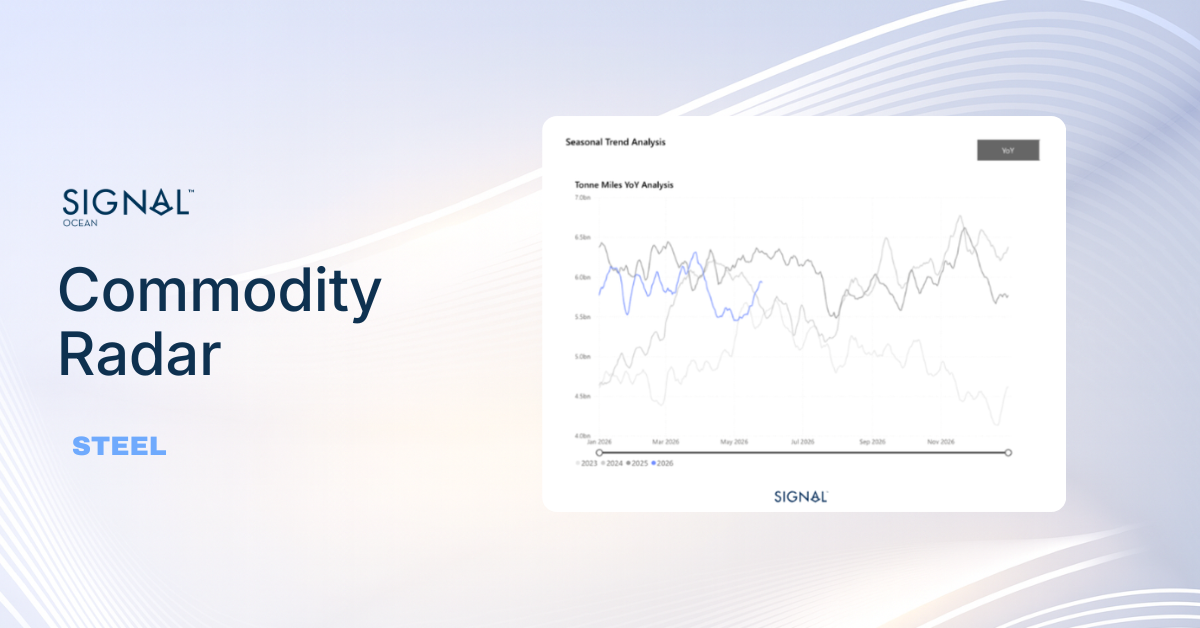
Steel demand softens as iron ore flows face growing headwinds
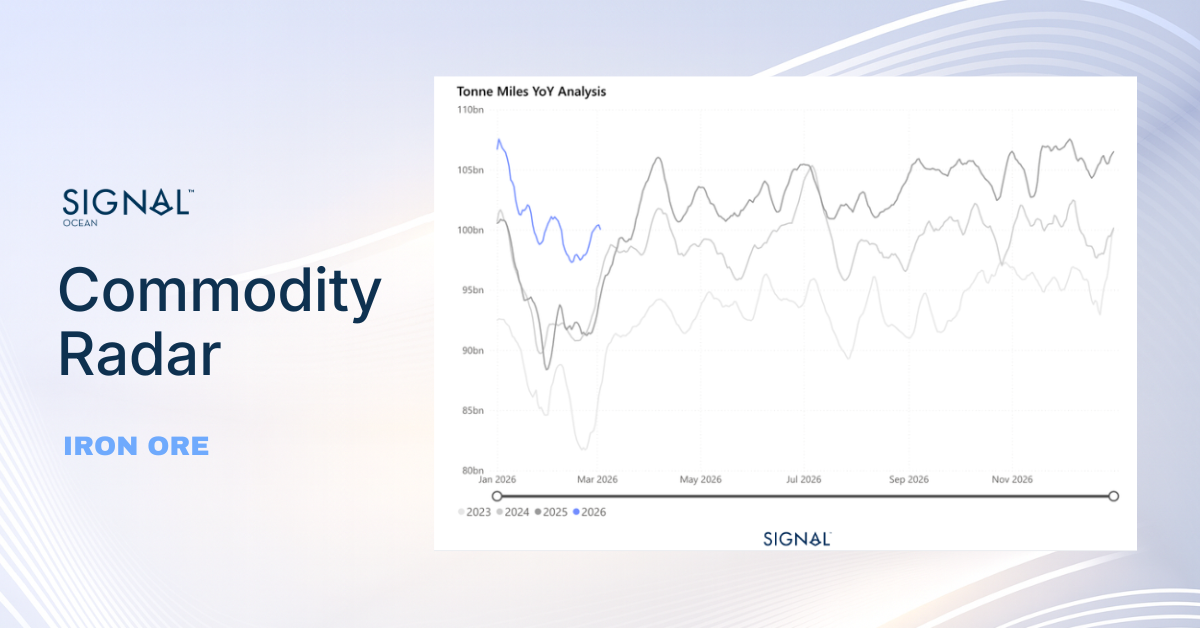
Iron ore market fundamentals continued to soften as subdued Chinese steel demand kept pressure on inventories and reduced the need for additional seaborne supply. While Simandou is emerging as an increasingly important source of high-grade iron ore, stronger Guinea exports are unlikely to fully offset weaker Brazilian flows. At the same time, the EU’s new steel import regime could constrain indirect steel exports through key processing hubs.
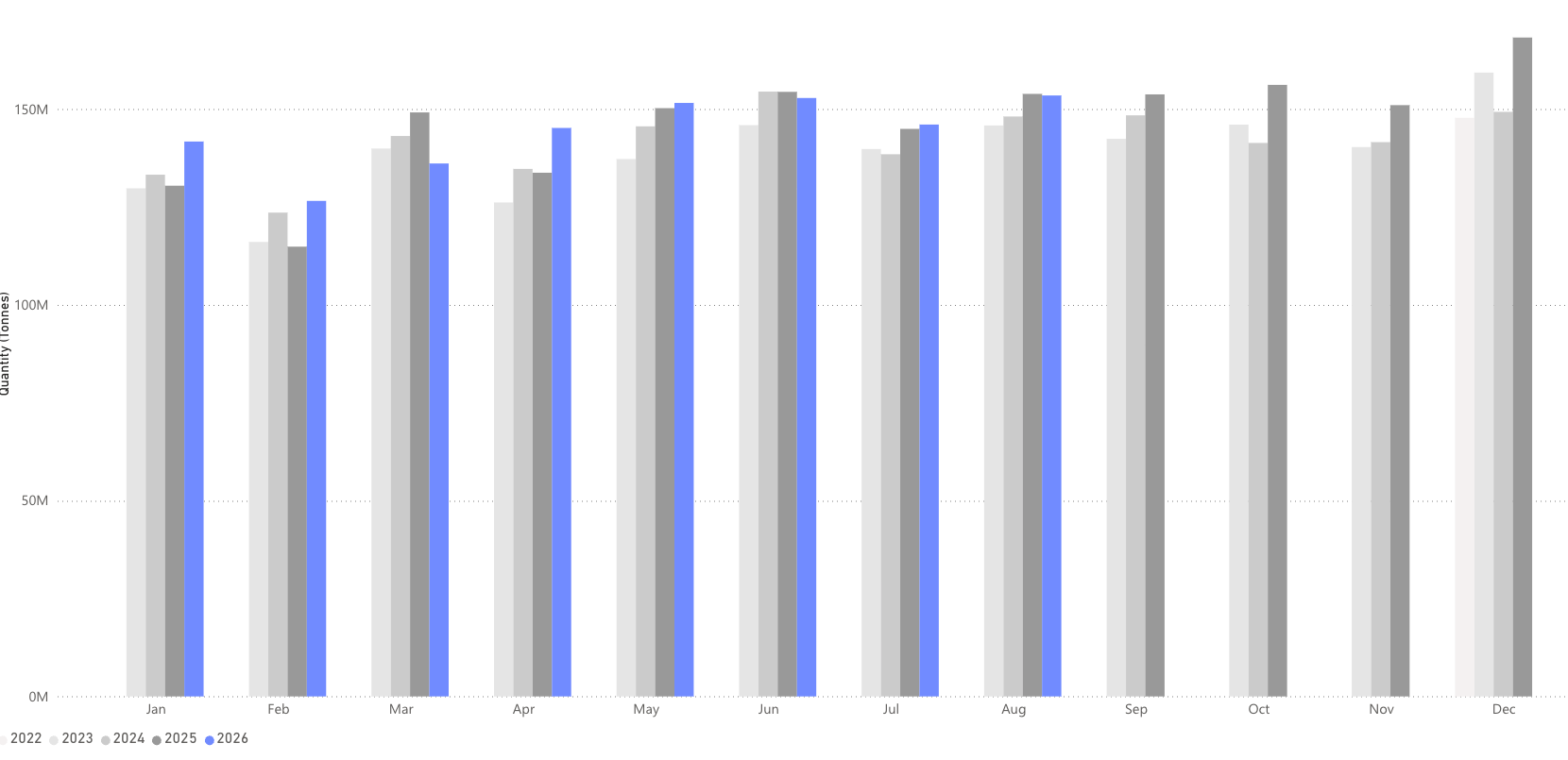
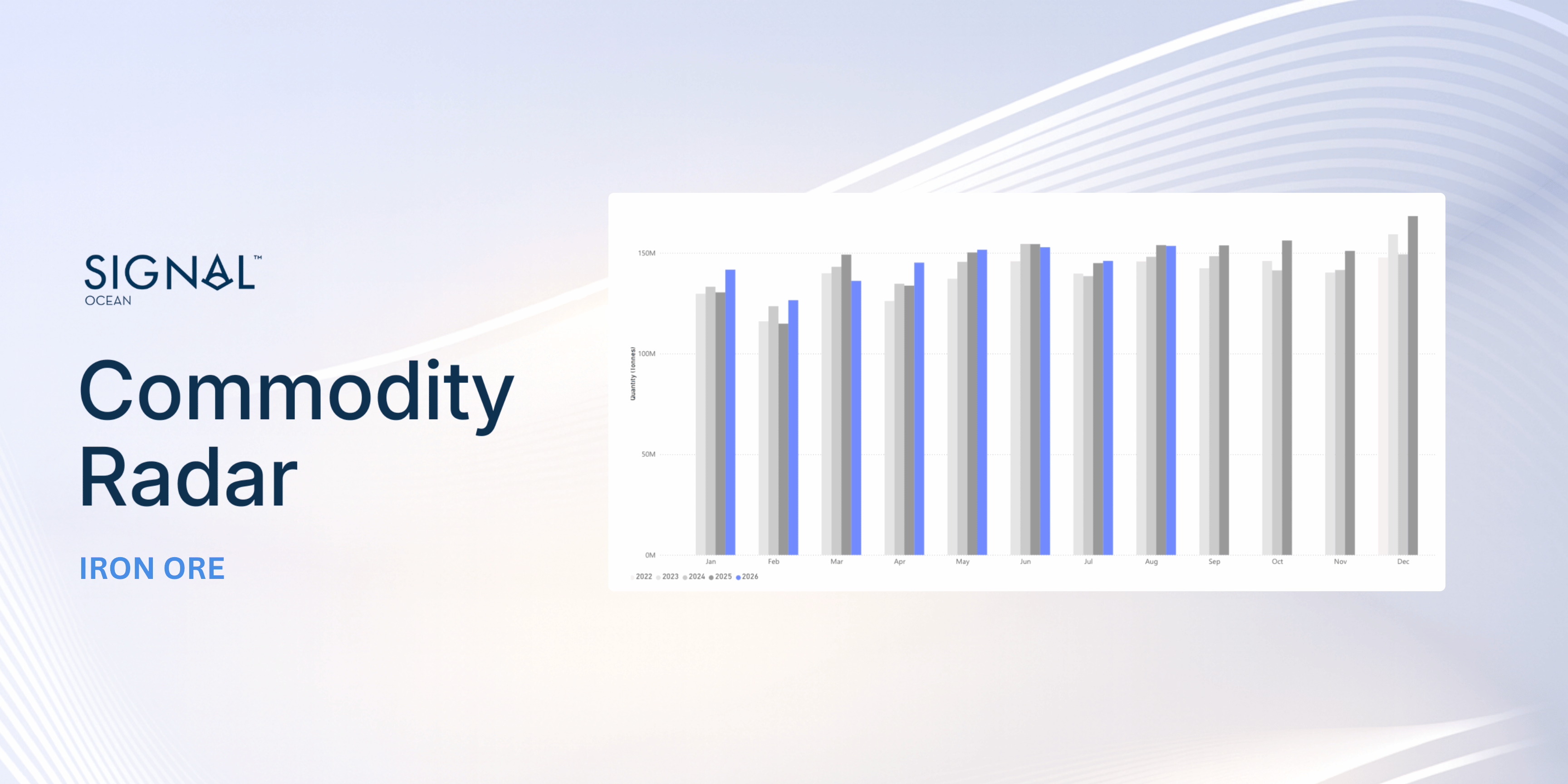
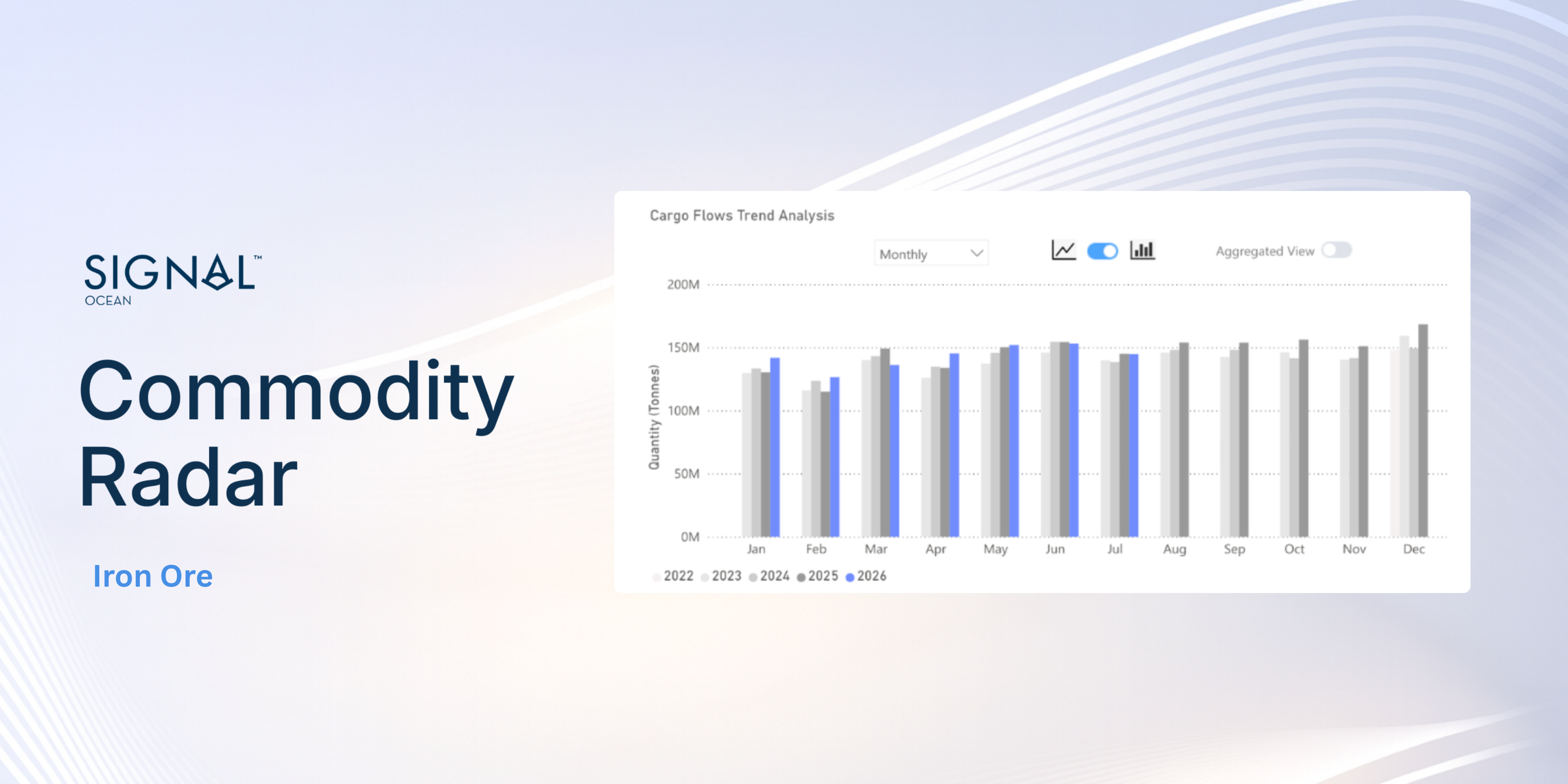
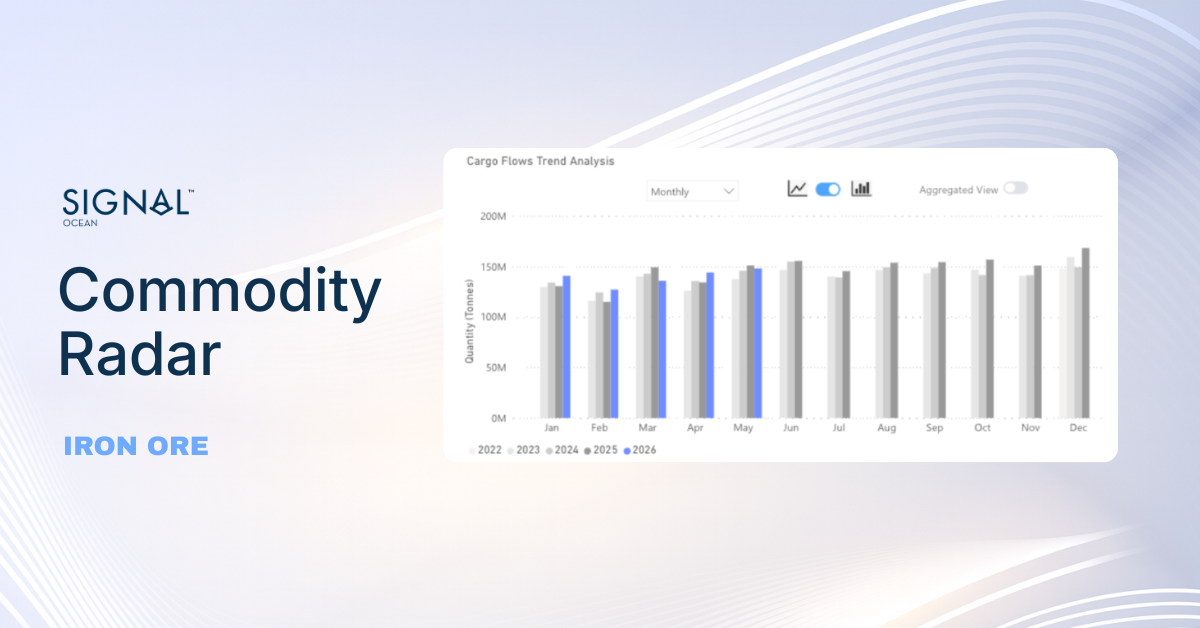
Global iron ore flows remained flat y/y in August 2026.
Flows to China grew slightly by 0.2% in August 2026.
Flows destined to ports outside of China fell by 2% y/y.
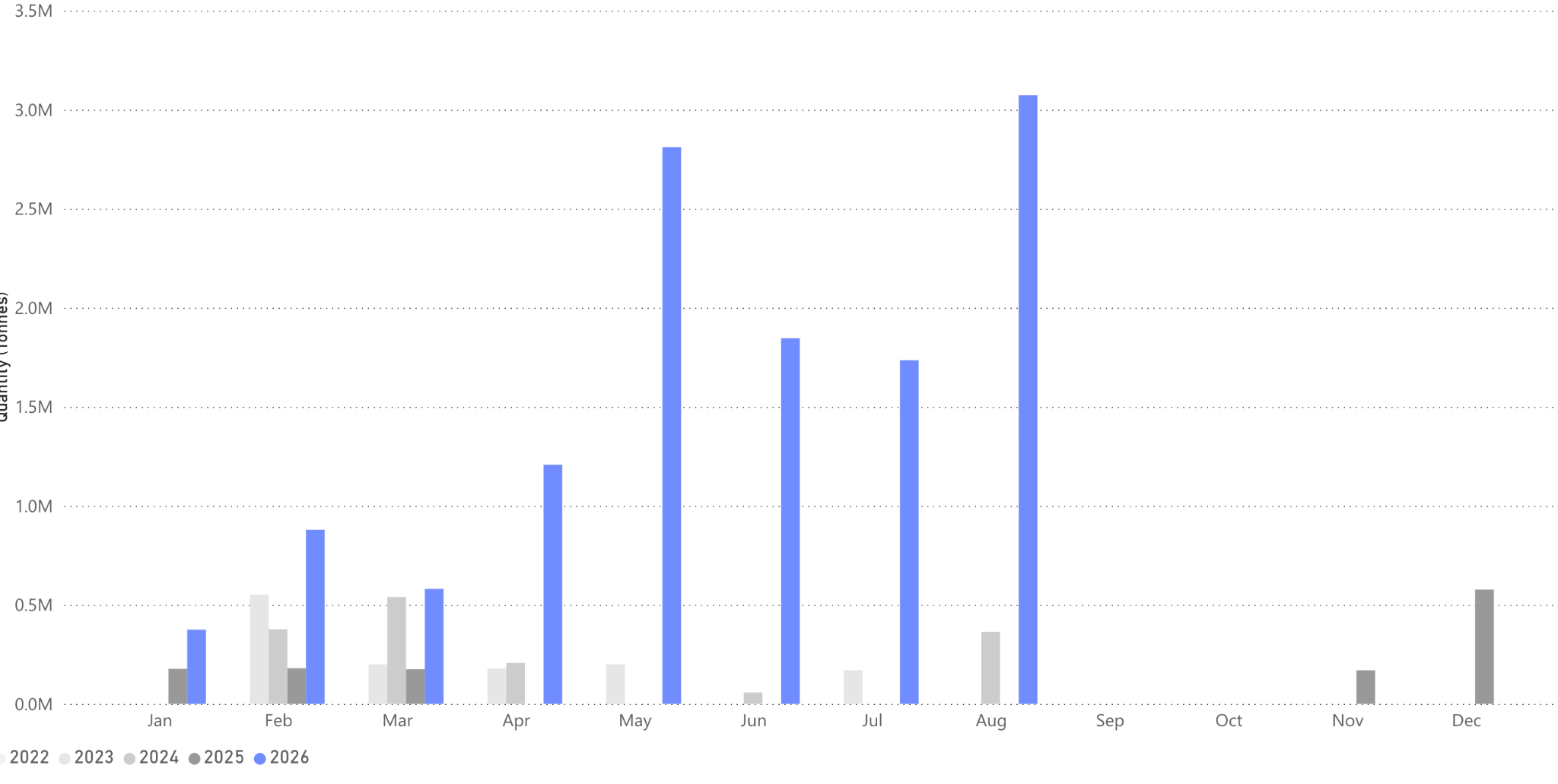
Iron ore flows from Guinea were 2.9 Mt, a record high.
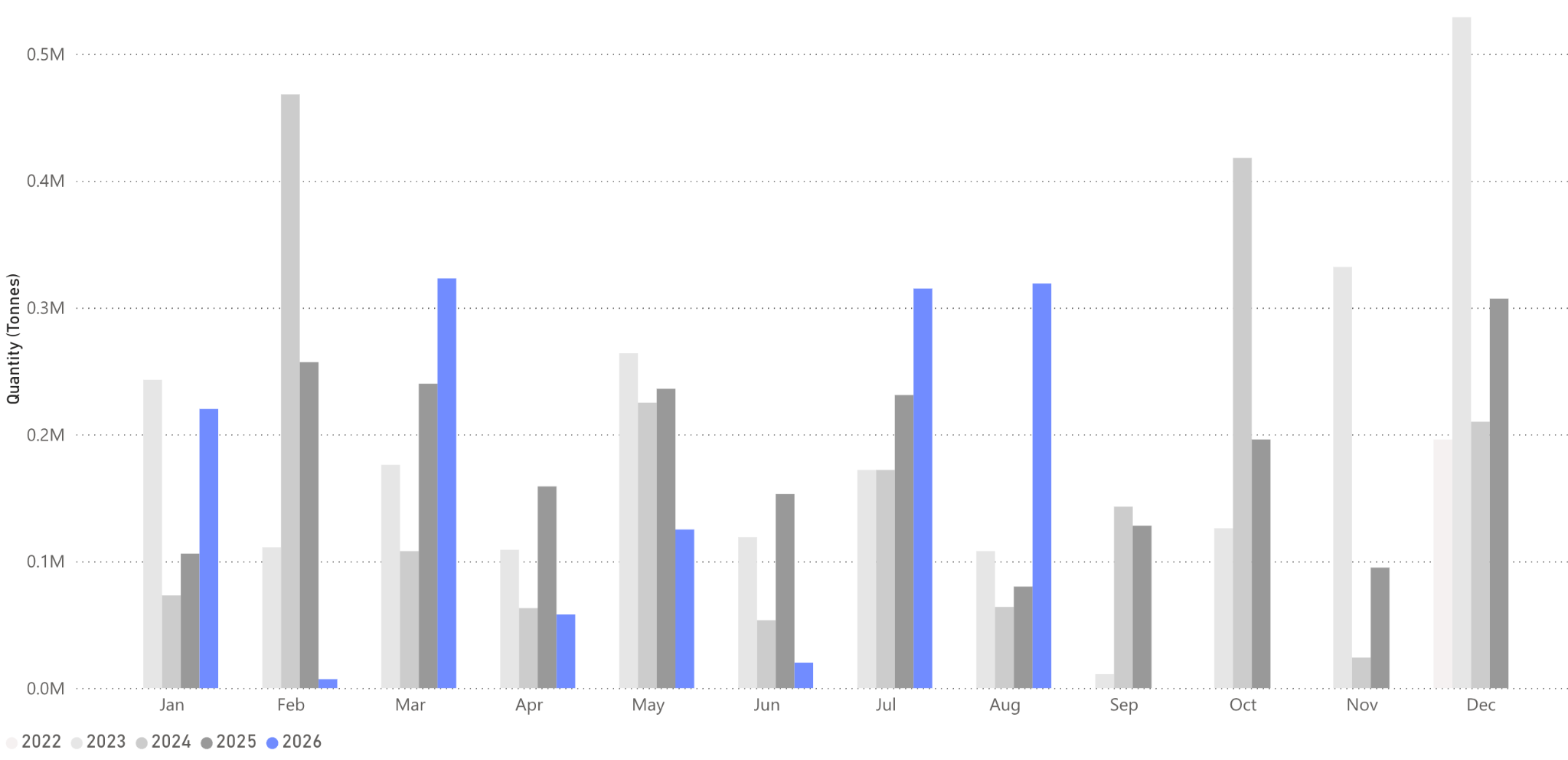
Iron ore flows from Australia increased by 5% y/y, but flows from Brazil have fallen by over 11%.
Global seaborne bulk iron ore flows reached 153.5 Mt in August 2026, flat on the same period a year earlier but up 5% m/m. Seaborne iron ore arrivals in China in August fell 7.7%, despite flows leaving for China increasing slightly by 0.2%.
Iron ore flows from Guinea reached a record high of 3.1 Mt in August, at a time when loadings in Guinea typically soften by up to 20% due to heavy rainfall. This is in stark contrast to Brazil, which experienced an 11% decline in iron ore exports, driven by softer demand from European steelmakers. The largest iron ore producer, Australia, saw exports increase by 5%, driven by robust loading volumes and steady Asian demand.
The outlook for Q4 2026 may be less positive. The EU’s new steel import regime introduces a “melt and pour” requirement, improving traceability to the steel’s original production country and limiting the scope for quota circumvention through third-country processing or transhipment.
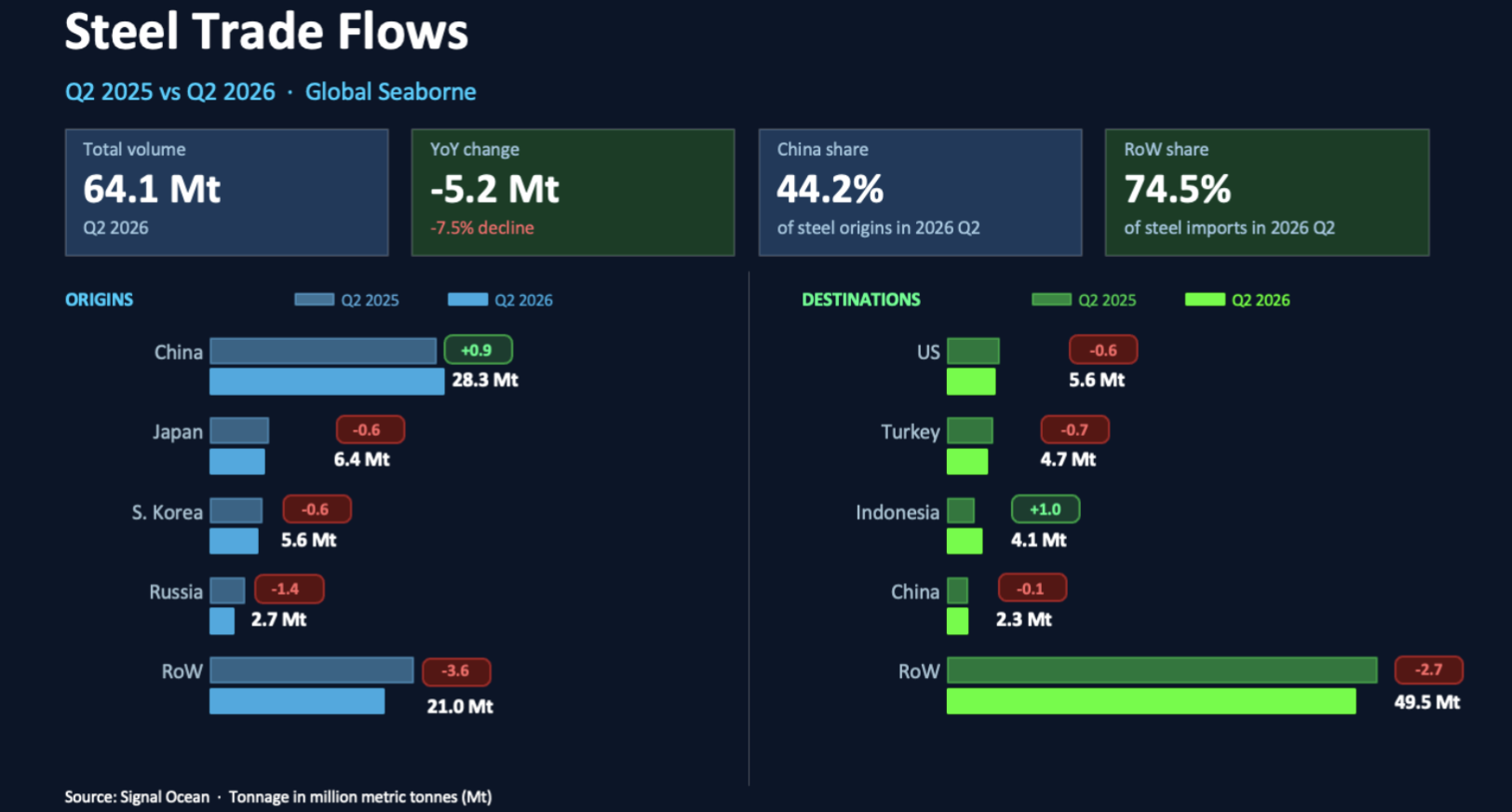
This could reduce the appetite of steel processors in key intermediary markets such as Türkiye, Egypt and Vietnam, weakening demand for semi-finished and finished steel from China and, in turn, reducing Chinese steel export flows.
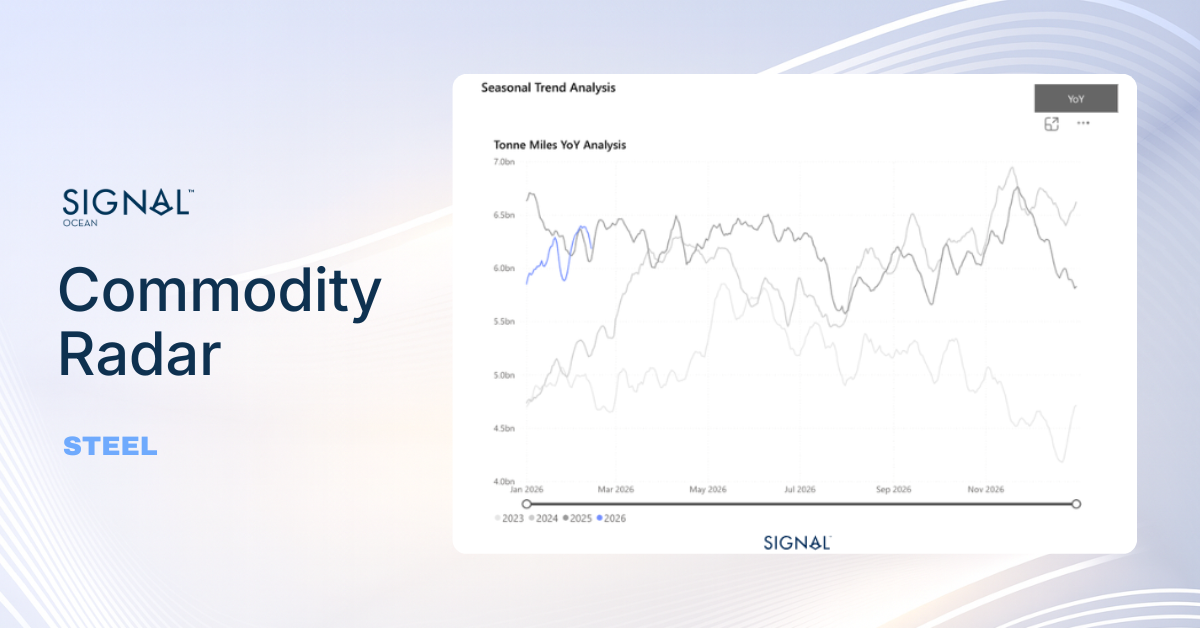
Combined with already high iron ore port stocks in China, expectations of weaker steel demand point to softer iron ore flows in 2026 Q4. While iron ore shipments from Simandou in Guinea are likely to remain strong, and potentially increase further, the resulting pullback is likely to come primarily from Brazil, where exports are already showing signs of weakness.
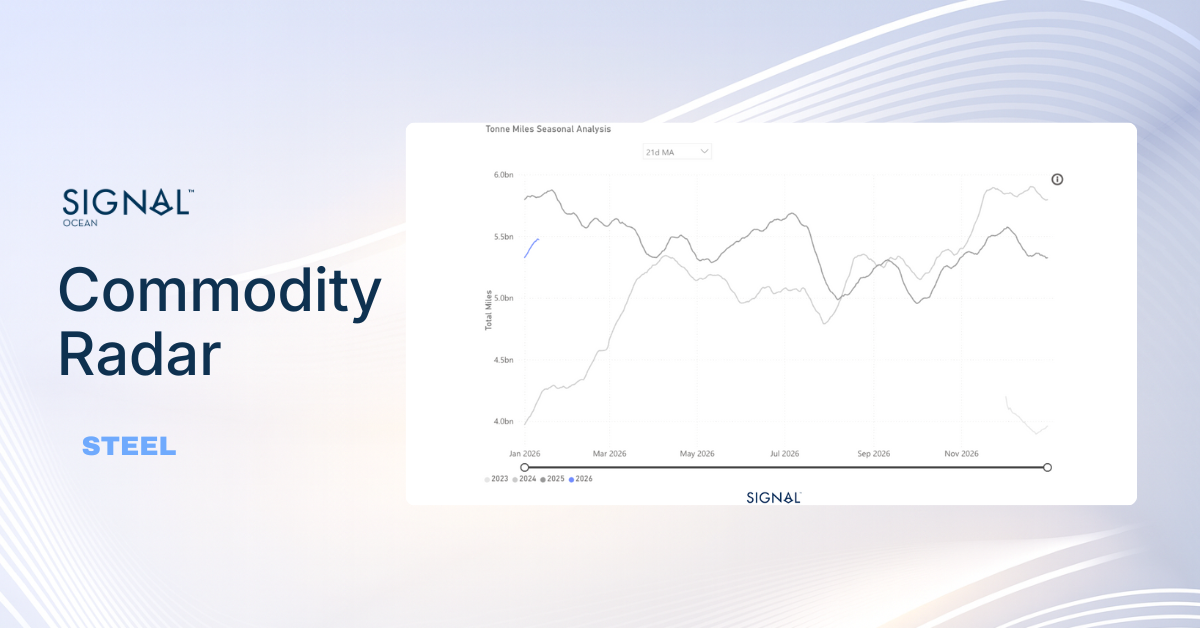
Source: Steel flows from Turkey, Viet Nam and Egypt from Signal Ocean https://app.signalocean.com/dry/dynamic/drybulkflows
Guinea to China the likely positive in 2026 Q4
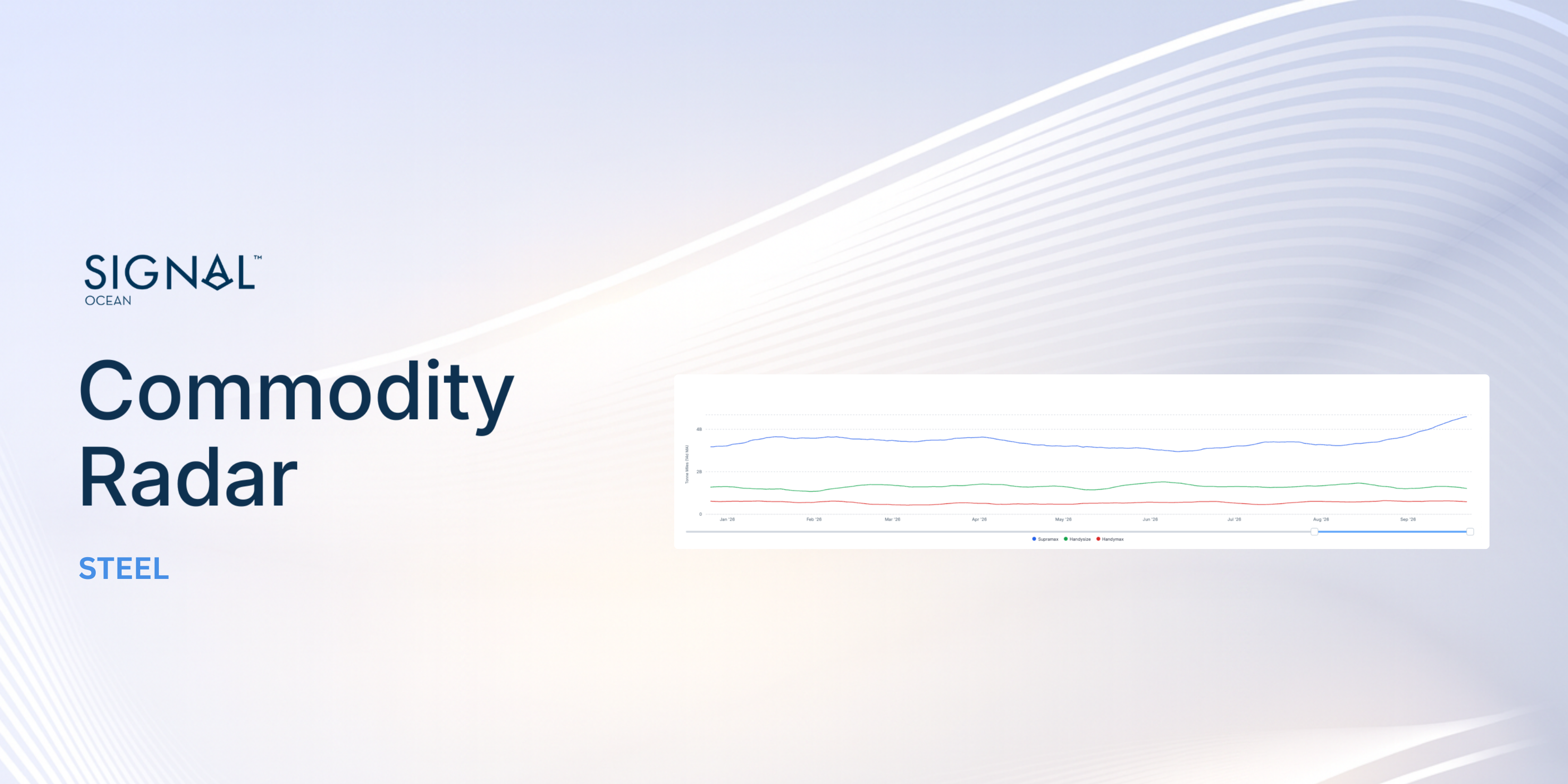
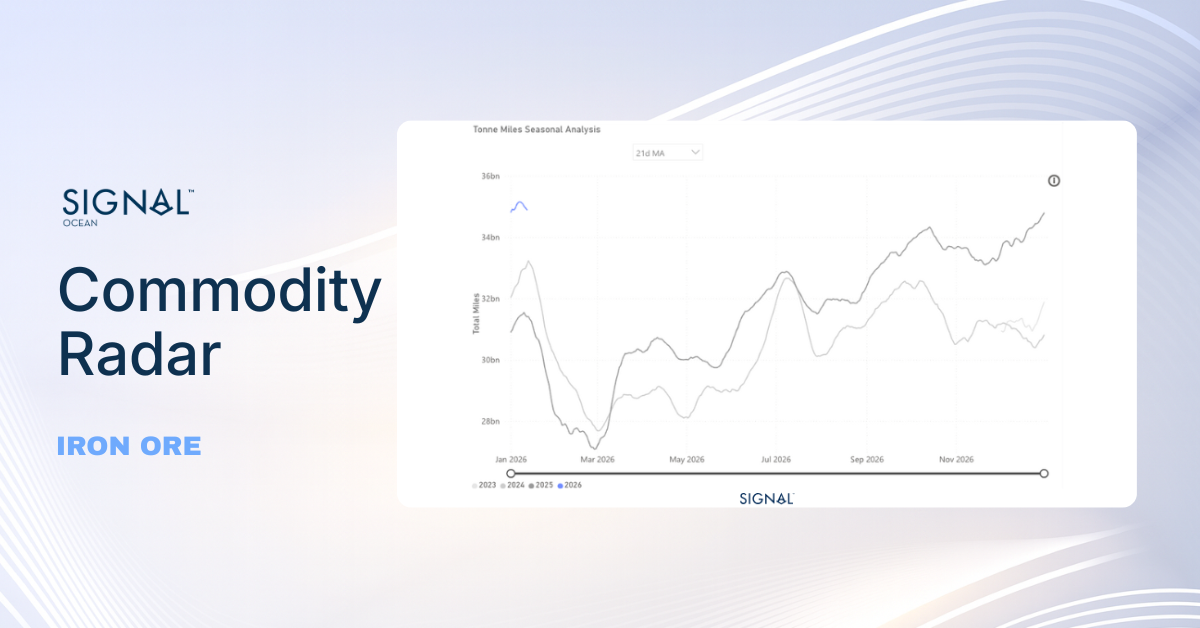
Overall, the maritime market enters Q4 2026 facing a more challenging demand environment. While seaborne trade has remained relatively resilient, signs of softer steel demand and elevated iron ore inventories in China point to weaker requirements for raw materials, with the impact likely to be felt most clearly in long-haul capesize iron ore voyages. Stronger shipments from Guinea’s Simandou project should provide additional supply, but are unlikely to fully offset softer Brazilian exports, potentially reducing tonne-mile demand. At the same time, the EU’s new steel import regime could weaken China’s indirect steel export channels through intermediary markets such as Turkey, Egypt and Vietnam, further reducing pressure on the upstream supply chain. For dry bulk shipping, this combination points to softer iron ore volumes and shorter average voyage distances, creating a less supportive backdrop for Capesize demand into year-end.
Luke has over 8-years of experience analysing and forecasting commodity markets, with particular expertise in stainless steel raw materials and the wider metals markets.
Creating a sustainable world requires us to embark on a journey towards a zero emission future, where every step is a commitment to preserve our planet for future generations.
Albert Greenway
Environmental Scientist, Sustainability Expert
No items found.
Increased Use of Renewable Energy:
Shipping companies are embracing renewable energy sources to power onboard systems and reduce emissions during port operations. Solar panels and wind turbines are being installed on vessels to generate clean energy, reducing reliance on auxiliary engines, and cutting down emissions. Shore power facilities in ports allow ships to connect to the electrical grid, eliminating the need for onboard generators while docked.
Collaboration and Industry Partnerships:
Recognizing that addressing emissions requires collective action, shipping companies, governments, and organizations have formed partnerships and collaborations. These initiatives focus on research and development, sharing best practices, and promoting knowledge transfer. Joint projects aim to develop and deploy innovative technologies, improve infrastructure, and create a supportive regulatory framework to accelerate the industry's transition towards a greener future. The Zero Emission Shipping - Mission Innovation.
To pave the way for a greener future in shipping, the availability of alternative fuels plays a vital role in their widespread adoption. However, this availability is influenced by factors such as port infrastructure, local regulations, and government policies. As the demand for cleaner fuels in shipping rises and environmental regulations become more stringent, efforts are underway to improve the accessibility of these fuels through infrastructure development, collaborations, and investments in production facilities.
Liquefied Natural Gas (LNG) infrastructure has seen significant growth in recent years, resulting in more LNG bunkering facilities and LNG-powered vessels. Nonetheless, the availability of LNG as a marine fuel can still vary depending on the region. To ensure consistent availability worldwide, there is a need for further development of LNG supply chains and infrastructure. For biofuels, their availability hinges on production capacity and the availability of feedstock. Although biofuels are being produced and utilized in various sectors, their availability as a marine fuel remains limited. Scaling up biofuel production and establishing robust supply chains are imperative to ensure wider availability within the shipping industry.Hydrogen, as a fuel for maritime applications, is still in the early stages of infrastructure development. While some hydrogen vessels have been tested or introduced in the first quarter of last year, the infrastructure required for hydrogen production and distribution needs further advancement.
Ammonia, as a marine fuel, currently faces limitations in availability. The production, storage, and handling infrastructure for ammonia need further development to support its widespread use in the shipping industry.Methanol, on the other hand, is already a commercially available fuel and has been used as a blend with conventional fuels in some ships. However, its availability as a standalone marine fuel can still be limited in certain regions. Bureau Veritas in October 2022 published a White Paper for the Alternative Fuels Outlook. This white paper provides a comprehensive overview of alternative fuels for the shipping industry, taking into account key factors such as technological maturity, availability, safety, emissions, and regulations.
Creating a sustainable world requires us to embark on a journey towards a zero emission future, where every step is a commitment to preserve our planet for future generations.
Albert Greenway
Environmental Scientist, Sustainability Expert
Increased Use of Renewable Energy:
Shipping companies are embracing renewable energy sources to power onboard systems and reduce emissions during port operations. Solar panels and wind turbines are being installed on vessels to generate clean energy, reducing reliance on auxiliary engines, and cutting down emissions. Shore power facilities in ports allow ships to connect to the electrical grid, eliminating the need for onboard generators while docked.
Collaboration and Industry Partnerships:
Recognizing that addressing emissions requires collective action, shipping companies, governments, and organizations have formed partnerships and collaborations. These initiatives focus on research and development, sharing best practices, and promoting knowledge transfer. Joint projects aim to develop and deploy innovative technologies, improve infrastructure, and create a supportive regulatory framework to accelerate the industry's transition towards a greener future. The Zero Emission Shipping - Mission Innovation.
To pave the way for a greener future in shipping, the availability of alternative fuels plays a vital role in their widespread adoption. However, this availability is influenced by factors such as port infrastructure, local regulations, and government policies. As the demand for cleaner fuels in shipping rises and environmental regulations become more stringent, efforts are underway to improve the accessibility of these fuels through infrastructure development, collaborations, and investments in production facilities.
Liquefied Natural Gas (LNG) infrastructure has seen significant growth in recent years, resulting in more LNG bunkering facilities and LNG-powered vessels. Nonetheless, the availability of LNG as a marine fuel can still vary depending on the region. To ensure consistent availability worldwide, there is a need for further development of LNG supply chains and infrastructure. For biofuels, their availability hinges on production capacity and the availability of feedstock. Although biofuels are being produced and utilized in various sectors, their availability as a marine fuel remains limited. Scaling up biofuel production and establishing robust supply chains are imperative to ensure wider availability within the shipping industry.Hydrogen, as a fuel for maritime applications, is still in the early stages of infrastructure development. While some hydrogen vessels have been tested or introduced in the first quarter of last year, the infrastructure required for hydrogen production and distribution needs further advancement.
Ammonia, as a marine fuel, currently faces limitations in availability. The production, storage, and handling infrastructure for ammonia need further development to support its widespread use in the shipping industry.Methanol, on the other hand, is already a commercially available fuel and has been used as a blend with conventional fuels in some ships. However, its availability as a standalone marine fuel can still be limited in certain regions. Bureau Veritas in October 2022 published a White Paper for the Alternative Fuels Outlook. This white paper provides a comprehensive overview of alternative fuels for the shipping industry, taking into account key factors such as technological maturity, availability, safety, emissions, and regulations.